

New Home Construction – The Plumbing Guidelines
Building a new home is one of the most exciting investments a family can make. Every stage of the process, from foundation work to the finishing touches, requires careful planning and execution. One of the most critical yet often overlooked aspects of new home construction is plumbing. While the framing and exterior give a house its structure and curb appeal, the plumbing system determines how comfortably and efficiently a household will operate. At Kelly Construction’s, we’ve seen firsthand how essential strong plumbing planning is during custom home construction projects. From proper pipe placement to code compliance, there are a series of guidelines every builder and homeowner should understand before the first wall goes up.
Planning the Plumbing System from the Start
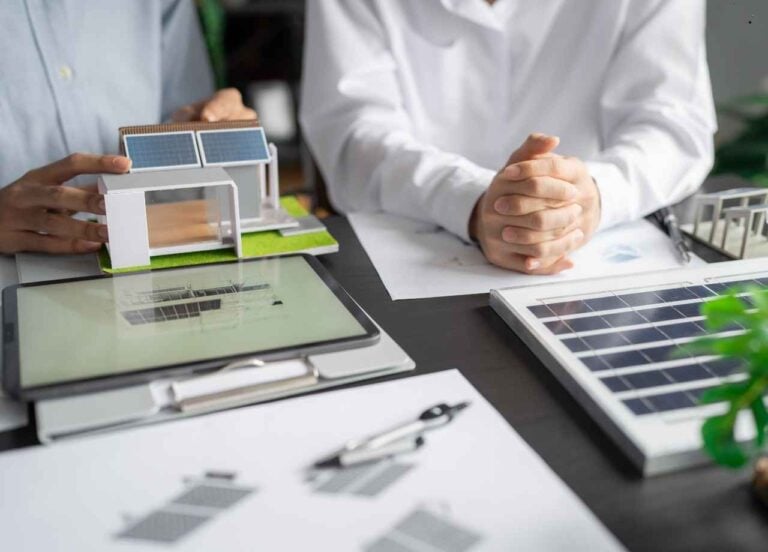
Plumbing isn’t something to tack on after the fact. It needs to be part of the earliest design conversations. The location of bathrooms, kitchens, laundry rooms, and even outdoor hose bibs must be mapped with precision before the slab is poured or framing begins. Changing plumbing lines mid-construction is costly, disruptive, and avoidable with proper planning.
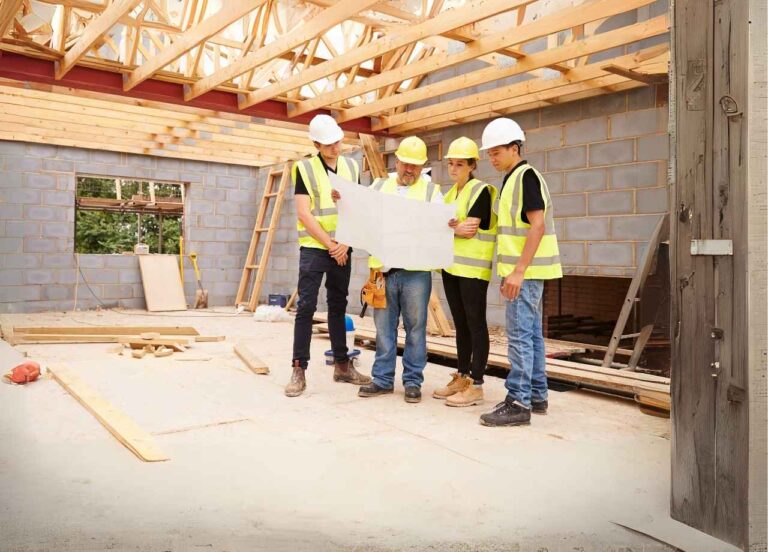
This stage requires close coordination between the builder, architect, and licensed plumber. At Kelly Construction, we make sure our design-build projects incorporate plumbing layouts early so homeowners avoid future frustrations. The placement of drain lines, vents, and water supply runs should all align with the home’s structural design, HVAC planning, and electrical routes. A good plumbing design isn’t just functional—it’s also efficient, minimizing the distance water has to travel while providing proper flow and drainage.
Following Local Codes and Standards
Every municipality has plumbing codes that dictate how systems must be designed and installed. These codes ensure safety, water conservation, and reliable performance. For example, Southeast Georgia requires specific pipe sizing, backflow prevention devices, and proper venting techniques to prevent sewer gases from entering living spaces.
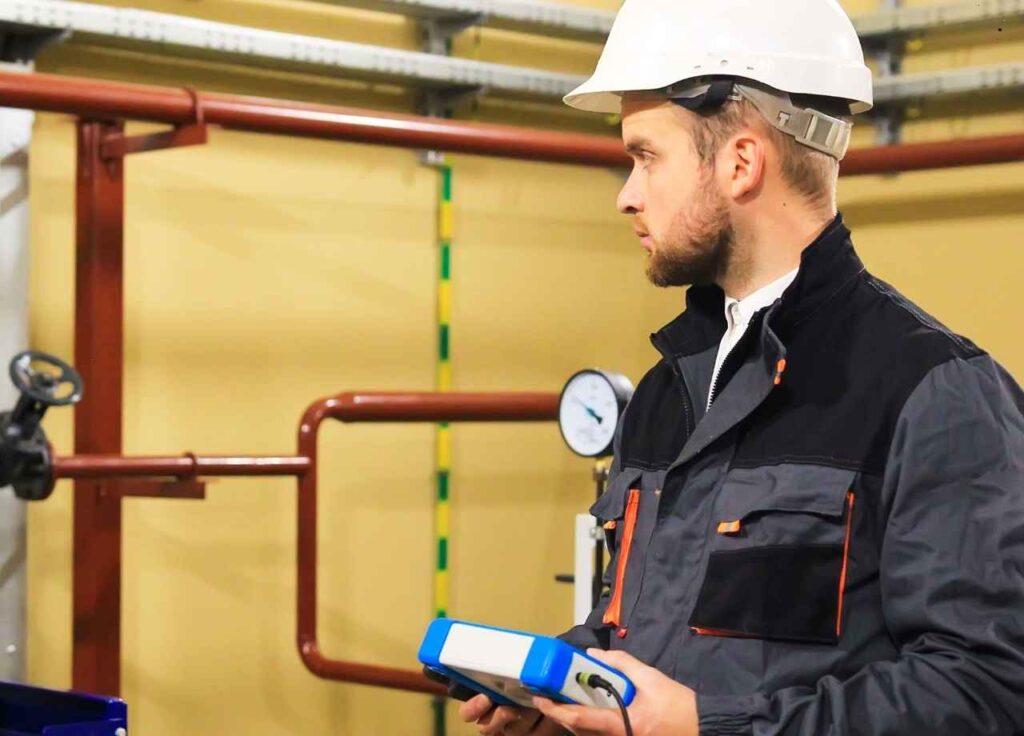
Builders and homeowners should never assume that a general knowledge of plumbing is enough. Licensed professionals stay up-to-date with these requirements and ensure all work passes inspection the first time. Code compliance also protects homeowners from future legal or insurance issues. A system that isn’t built to code can cause problems not only during resale but also in everyday operation if leaks or failures occur.
Water Supply Considerations
One of the first steps in designing a plumbing system is determining the water supply. Whether the home will connect to a municipal water source or rely on a private well, the system must be designed to deliver steady pressure and volume throughout the home. Pipe sizing plays a huge role in this. Undersized pipes can lead to weak showers and slow-filling appliances, while oversized pipes can add unnecessary cost.
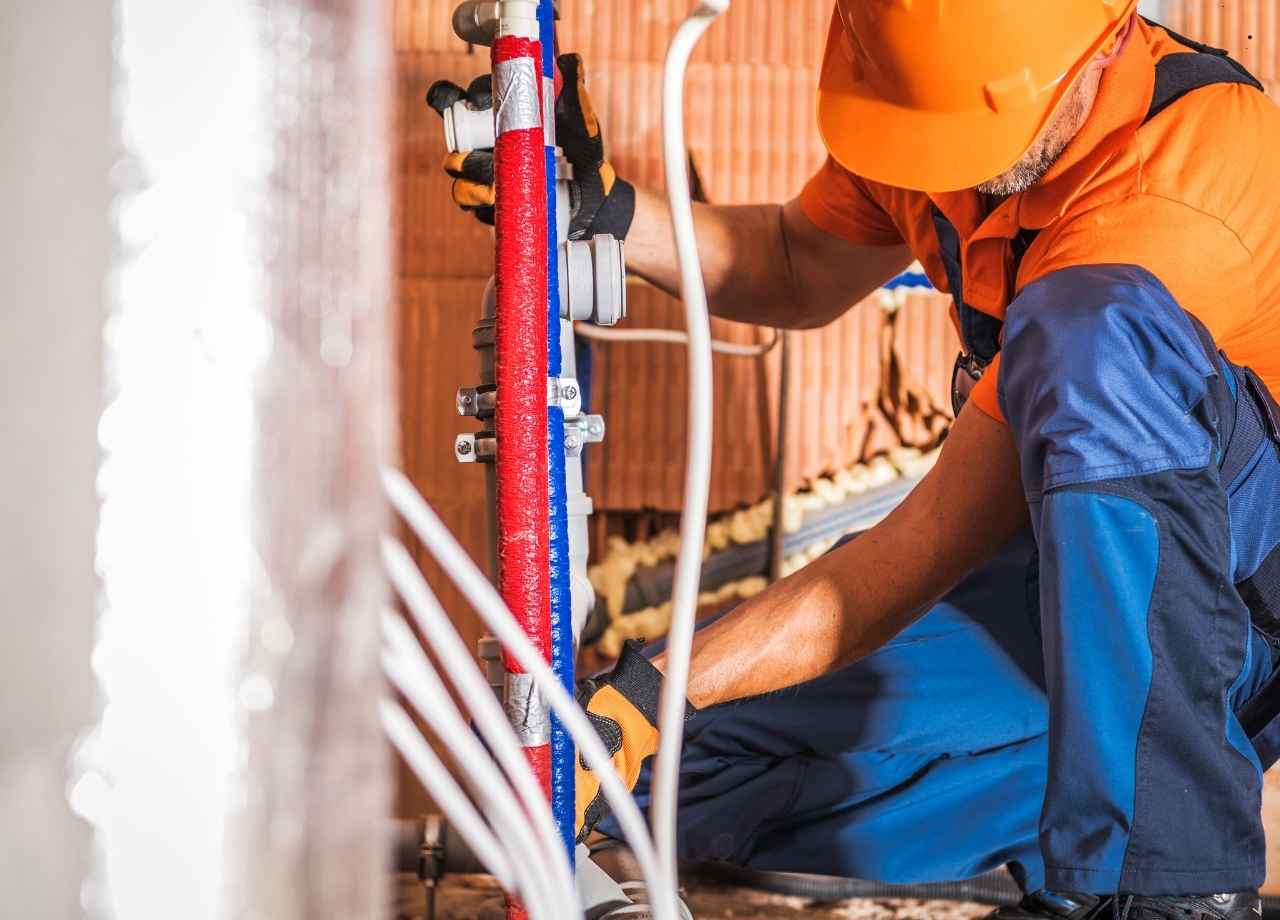
Material selection is another important factor. Copper, PEX, and CPVC are all common options, each with strengths and weaknesses. Copper offers durability and longevity but comes at a higher cost. PEX is flexible, affordable, and increasingly popular in residential construction, though it requires careful installation to avoid kinks and damage. CPVC provides good corrosion resistance but may not withstand extreme temperatures as well as other materials. The right choice depends on budget, water conditions, and the homeowner’s long-term priorities.
Drainage and Venting Systems
A home’s drainage system is just as critical as the supply side. Proper slope, pipe sizing, and venting are essential for wastewater to move efficiently away from the home. Poorly designed drainage can lead to backups, slow drains, and even structural damage if leaks occur behind walls or under slabs.
Vent pipes are equally important, though often hidden. They allow air into the system, preventing siphoning that can empty traps and allow sewer gases to enter the home. A well-vented system protects both the health of the household and the functionality of the fixtures. Local codes dictate vent sizing and placement, making professional oversight essential during construction.
Energy Efficiency and Water Conservation
Modern plumbing isn’t just about delivering water—it’s also about conserving it. Builders today have more options than ever to integrate energy-efficient and eco-friendly plumbing solutions into new homes. Low-flow fixtures, on-demand water heaters, and smart leak detection systems all play a role in reducing water and energy use.
Tankless water heaters, for instance, eliminate the standby energy loss of traditional tanks, providing hot water on demand while lowering utility bills. Meanwhile, gray water recycling systems can be integrated into new construction, repurposing lightly used water from sinks and showers for irrigation purposes. These considerations not only reduce the environmental footprint of a new home but also enhance long-term cost savings for homeowners.
Accessibility and Future-Proofing
A plumbing system should serve a family well not just today but for decades to come. That’s why it’s important to consider accessibility and future-proofing during construction. For example, installing shutoff valves at every fixture makes maintenance easier and less disruptive. Running larger-diameter main lines can accommodate future additions, such as a second bathroom or outdoor kitchen, without requiring a full rework of the plumbing system.
Another forward-thinking approach is to install access panels behind tubs and showers, allowing future repairs without tearing into finished walls. Likewise, placing cleanouts in strategic locations helps avoid invasive work if a clog occurs years down the road. These small decisions during construction can save significant headaches and expenses later.
Inspections and Quality Assurance
No plumbing system should be covered up until it has been inspected and pressure-tested. Inspections ensure that every pipe is correctly installed, properly supported, and free of leaks before drywall or finishes are added. Skipping or rushing this step can lead to costly repairs after move-in.
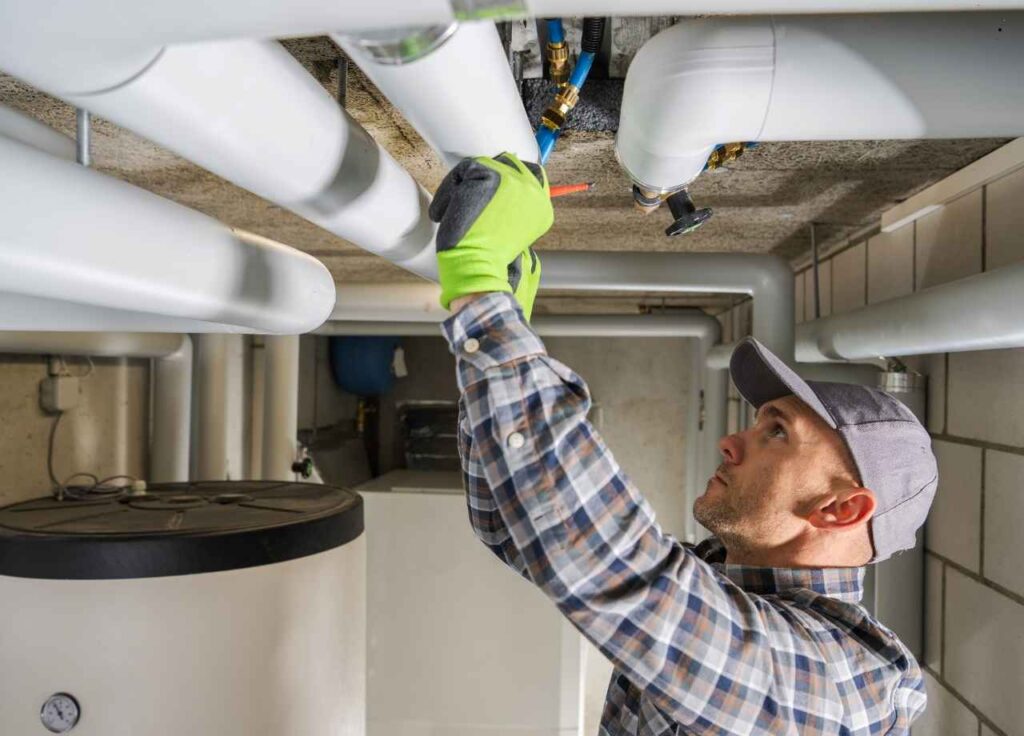
At Kelly Construction, our teams emphasize quality assurance at every stage of construction, and plumbing is no exception. Pressure tests, video inspections, and code verifications are all part of the process. A plumbing system is one of the most difficult aspects to fix once walls and floors are sealed, so catching issues early is essential.
Partnering with the Right Professionals
While homeowners can research plumbing basics, the actual design and installation require licensed expertise. Partnering with the right builder and plumbing professionals ensures that every system in the home—plumbing, electrical, HVAC—works together seamlessly. It also ensures peace of mind, knowing the system is reliable, efficient, and built to last.
In Southeast Georgia, where humidity and soil conditions can affect everything from pipe placement to foundation stability, local knowledge matters. Builders who understand the regional challenges are better equipped to design systems that withstand the test of time.
Final Thoughts
Plumbing is the lifeline of a new home. From providing clean drinking water to carrying waste safely away, it underpins the comfort and functionality of everyday living. Homeowners who invest in proper planning, quality materials, and professional installation will enjoy a system that works quietly and reliably behind the walls for decades. At Kelly Construction, we believe that no detail is too small when it comes to building homes that families can depend on. With plumbing done right from the start, everything else in the home falls into place more smoothly—and homeowners can move in with confidence.