

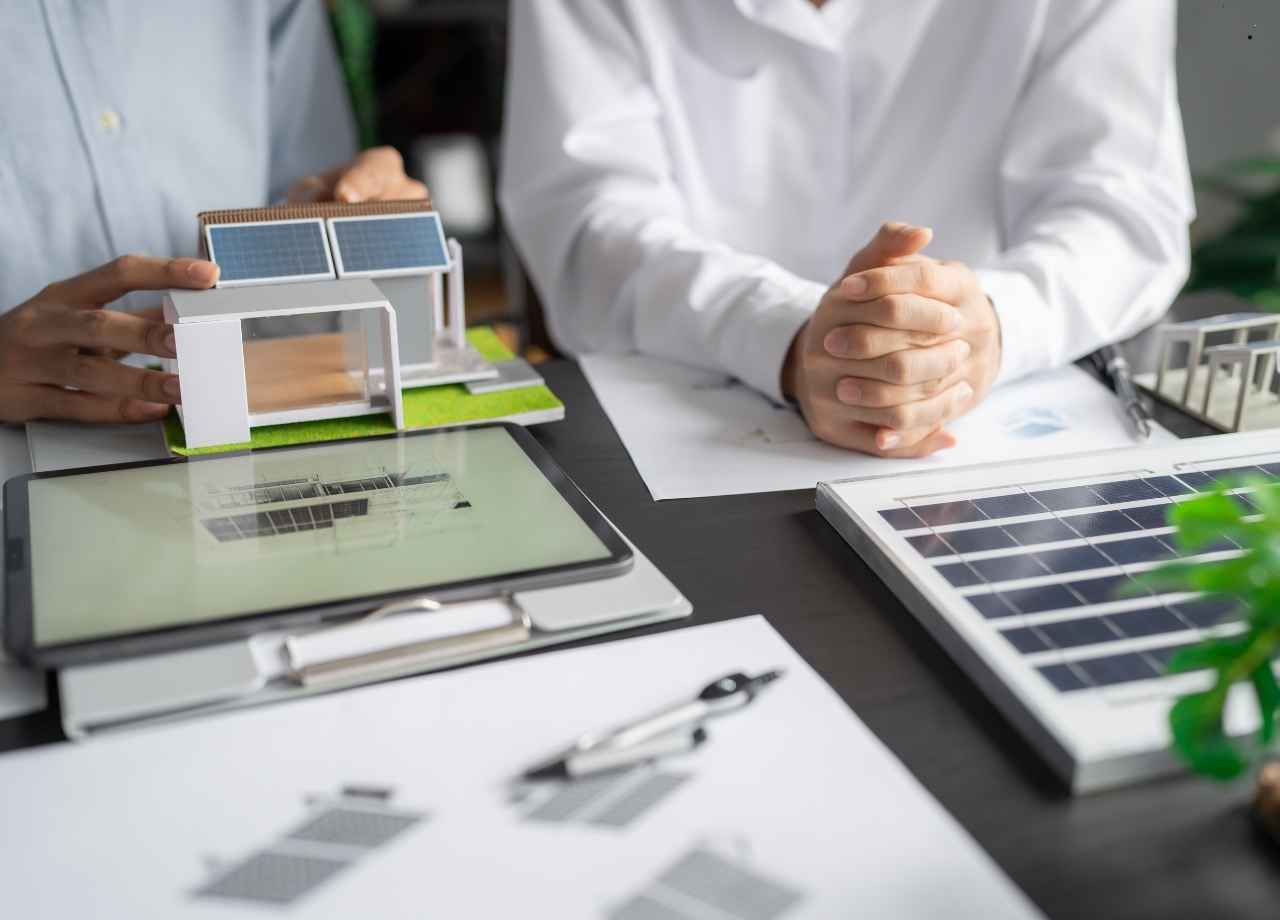
Why Sustainable Building Practices Matter in Georgia
Sustainable construction is no longer just a buzzword—it’s an essential approach to building that considers long-term environmental impact, energy use, and regional resilience. Here in Georgia, with our humid subtropical climate, rapid population growth, and increasingly strict building codes, sustainable practices aren’t optional; they’re smart planning. At Kelly Construction, our experience in design-build and custom construction across Southeast Georgia gives us firsthand insight into why building green isn’t just ethical, but practical.
Whether we’re managing a new custom home build or coordinating a commercial renovation, sustainability plays a key role in everything from material selection to HVAC design. These decisions don’t just affect compliance or resale value; they directly impact the comfort, efficiency, and future-proofing of the structures we deliver.
The Climate Factor: Georgia’s Unique Environmental Considerations
Georgia experiences hot summers, high humidity, and mild winters. That climate profile presents both challenges and opportunities for sustainable construction. Proper insulation, reflective roofing materials, and high-efficiency HVAC systems are critical in reducing cooling loads. Likewise, moisture control becomes vital to avoid mold and indoor air quality issues.
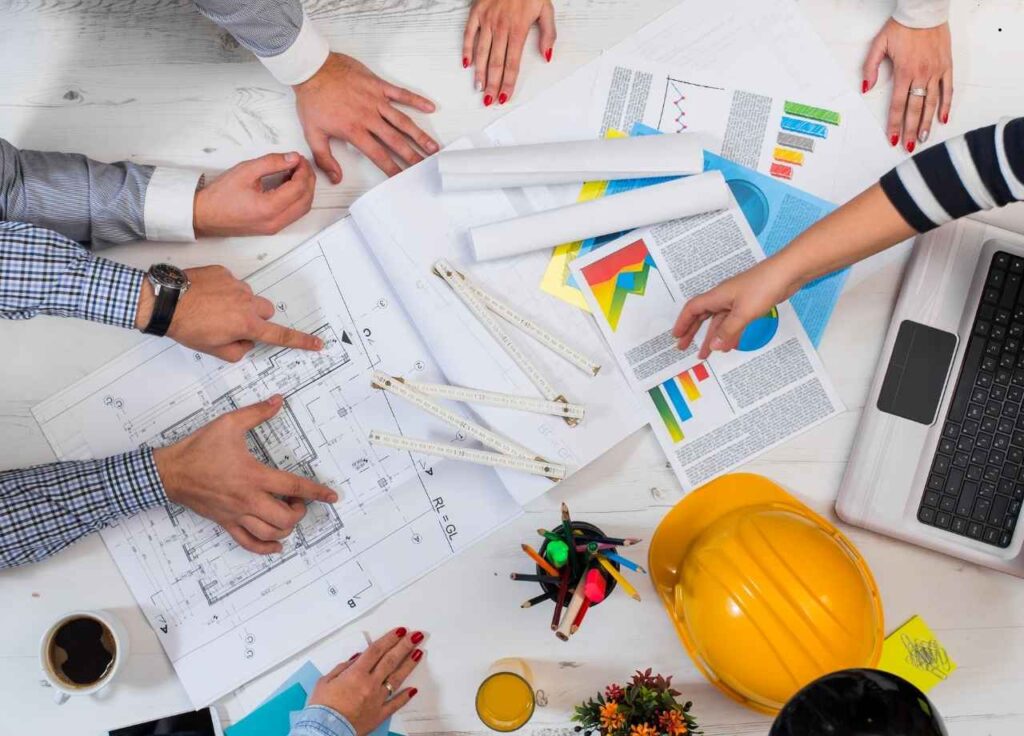
Building sustainably in this environment also means embracing passive solar strategies, managing rainwater effectively, and considering the site orientation during early design. These are not just “green extras”—they’re core components of a building that functions efficiently year-round in our local conditions.
Rising Energy Costs and the Value of Efficiency
Utility costs are steadily climbing across the Southeast, and energy efficiency is one of the clearest value-adds for property owners. By incorporating high-performance windows, energy-efficient appliances, and well-sealed building envelopes, we help clients drastically reduce long-term operating costs.
More importantly, Georgia Power and other local utilities offer incentives for buildings that meet certain energy standards. Planning for these rebates during construction allows for smarter budgeting and a higher return on investment. Energy modeling tools can even help project savings before the first nail is driven.
Regulatory Trends and Building Code Evolution in Georgia
Over the past decade, Georgia’s building codes have steadily adopted more energy-conscious requirements. While not yet as aggressive as California or the Northeast, the trajectory is clear: tighter codes, stricter efficiency mandates, and more attention to water use and waste reduction.
By building with future codes in mind, we help clients avoid costly retrofits or redesigns down the line. For example, smart plumbing systems that reduce water waste are already encouraged in many jurisdictions. Similarly, builders who understand and anticipate code changes can position projects for smoother inspections and fewer delays.
Local Materials and the Importance of Regional Sourcing
One of the less-discussed but equally important aspects of sustainable construction is material sourcing. Transportation of building materials carries a carbon footprint, so choosing products manufactured closer to Southeast Georgia helps reduce environmental impact and often cuts lead times.
We prioritize regionally sourced lumber, aggregates, and even finishes whenever possible. These materials are more likely to perform well in local conditions and support the regional economy. Plus, they’re often more readily available, an important consideration in an era of ongoing supply chain challenges.
Waste Management and Jobsite Responsibility
Construction generates a significant amount of waste, from framing offcuts to packaging and demo debris. A sustainable builder doesn’t just deal with waste—we reduce and manage it strategically.
On our job sites, we sort and recycle materials when possible and coordinate with haulers who support diversion programs. We also design for material efficiency, minimizing cuts and leftovers through smart planning and precise execution. These aren’t just cost-saving measures; they’re a sign of professional responsibility.
Long-Term Durability and Lifecycle Cost
Sustainable construction is about more than short-term efficiency. It’s about designing and building for long-term durability with minimal need for repair or replacement. That means choosing materials that resist weathering in Georgia’s humid climate, using construction techniques that minimize thermal bridging, and ensuring systems are accessible for maintenance.
When we talk to clients about lifecycle cost, we aren’t just selling a concept—we’re laying out the real math behind better roofing systems, quality exterior cladding, and properly engineered HVAC. These components last longer, perform better, and reduce the total cost of ownership over time.
Market Trends and Consumer Expectations
Buyers and tenants are increasingly seeking out energy-efficient, environmentally responsible buildings. In both the residential and commercial sectors, sustainability is no longer a niche interest—it’s a market expectation.
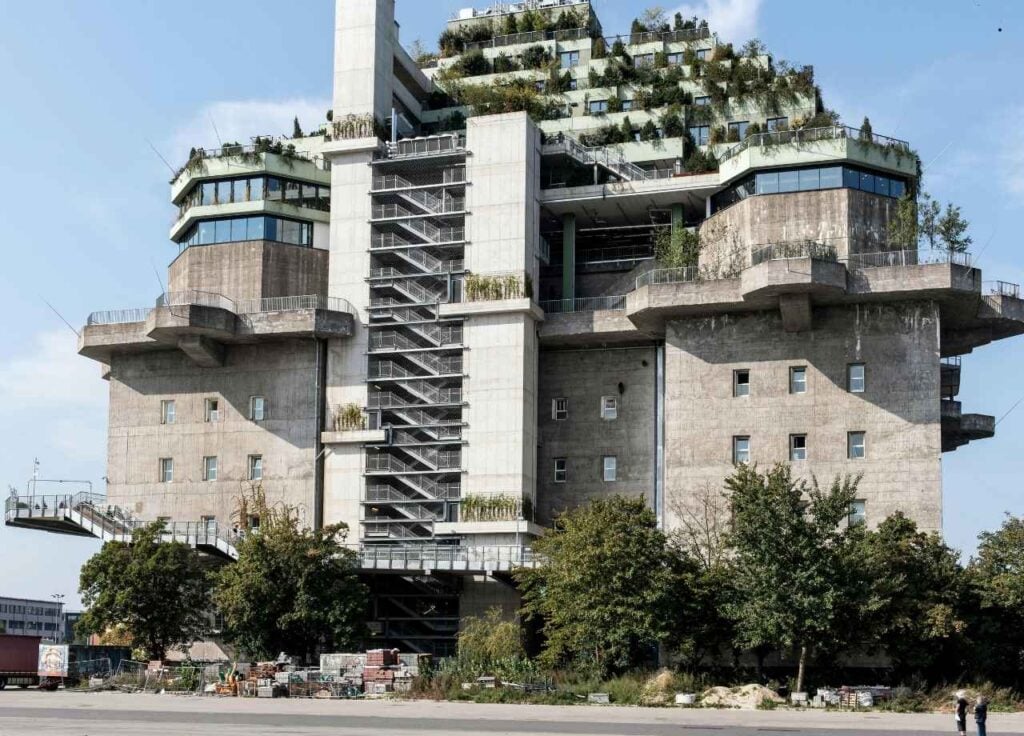
Homeowners want better insulation and indoor air quality. Business owners want to show clients and employees that they care about sustainability. By integrating sustainable practices into our builds, we help clients meet these expectations while also increasing property value and market appeal.
How Kelly Construction Builds for a Sustainable Georgia
At Kelly Construction, we don’t separate sustainability from quality—we see them as one and the same. From custom homes in the coastal counties to commercial buildouts in growing cities like Brunswick and Statesboro, we design and build with efficiency, durability, and environmental impact in mind.
We collaborate with engineers, architects, and local code officials to deliver structures that meet today’s needs without compromising tomorrow. Sustainability isn’t a feature to add at the end of the project; it’s a mindset that starts with planning and continues through every phase of construction.
Final Thoughts
Sustainable building practices aren’t just good for the planet—they’re good business. In Georgia, where climate, regulation, and market demand intersect, green construction is a smart, future-proof approach that benefits clients, communities, and contractors alike.
As Southeast Georgia continues to grow, builders have a responsibility to lead with integrity and vision. At Kelly Construction, we’re committed to delivering projects that stand the test of time—structurally, financially, and environmentally. Sustainable construction is how we get there.