


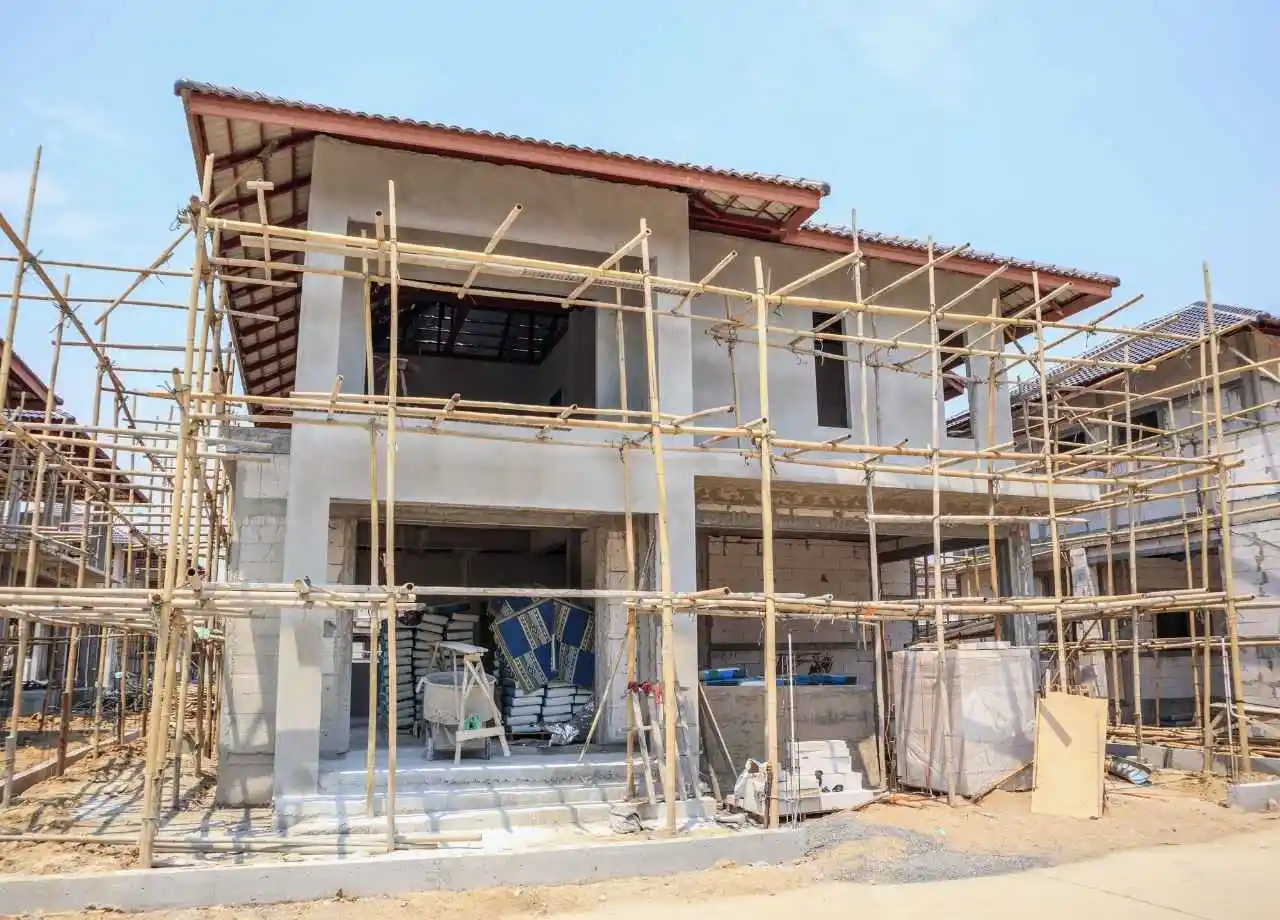
Best Building Materials for Coastal Georgia Homes
Building a home in Coastal Georgia requires a different approach than building farther inland. Our region offers a unique combination of natural beauty, warm weather, and proximity to the water, but those advantages come with environmental conditions that can be hard on a home. High humidity, heavy rainfall, salt-laden air, intense sun, strong winds, termites, and the potential for tropical storms all influence how building materials perform over time.
At Kelly Construction, we look at material selection as part of the home’s overall building strategy rather than simply a design decision. During a custom home construction project, choosing materials that fit Coastal Georgia’s climate can reduce maintenance, improve energy efficiency, and help protect the structure for decades. The best material is not always the most expensive option. It is the material that performs reliably in the location where it will actually be used.
For homeowners planning to build along Georgia’s coast, understanding these differences early can prevent costly mistakes later. From framing and roofing to siding, windows, decking, and insulation, every major component should be evaluated for its ability to withstand the conditions common throughout Southeast Georgia.
What Makes Coastal Georgia Different for Home Construction?
Humidity is one of the biggest considerations when building in Coastal Georgia. Moisture is present in the air for much of the year, and materials that repeatedly absorb moisture can swell, warp, rot, or support mold growth if the home is not designed and constructed correctly. Proper drainage, flashing, ventilation, waterproofing, and moisture management therefore matter just as much as the materials themselves.
Salt exposure creates another challenge, particularly for properties near marshes, tidal waterways, and the Atlantic Ocean. Salt carried through the air can accelerate corrosion in unprotected metals, including certain fasteners, connectors, railings, and exterior fixtures. Even homes that are not directly on the beachfront may experience greater corrosion than comparable properties farther inland.
Coastal construction also has to account for wind-driven rain, severe storms, termites, heat, and strong ultraviolet exposure. These conditions make durability a system-wide concern. Long-lasting coastal homes result from choosing the right materials and installing them as part of a properly designed building envelope.
Fiber Cement Is a Strong Choice for Exterior Siding
Fiber cement siding is one of the materials we commonly consider for homes in hot, humid climates because it combines durability with considerable design flexibility. Manufactured from cement, cellulose fibers, sand, and other components depending on the product, fiber cement does not behave like traditional untreated wood when exposed to moisture.
Its resistance to rot and insect damage makes it particularly attractive in Southeast Georgia. It can also provide the appearance of traditional lap siding, shingles, or other profiles, allowing homeowners to achieve a classic Southern or coastal architectural style without relying exclusively on natural wood.
Fiber cement still requires proper installation. Clearances, flashing details, joint treatment, approved fasteners, and manufacturer specifications all need to be followed carefully. When properly installed and maintained, fiber cement provides a practical balance of appearance, durability, and resistance to Coastal Georgia’s demanding climate.
Metal Roofing Offers Excellent Coastal Performance
A roof is one of the home’s primary defenses against heat, rain, and severe weather, making roofing material especially important in coastal construction. Metal roofing can be an excellent option for Coastal Georgia homes when the roofing system, coatings, fasteners, and installation methods are appropriate for the property’s exposure conditions.
Standing-seam metal roofing is particularly well suited to coastal and Lowcountry-inspired homes. Its clean appearance works with both traditional and contemporary architecture, while the material itself can offer a long service life. Certain metal roofing systems can also help reduce solar heat gain during Georgia’s hot summers.
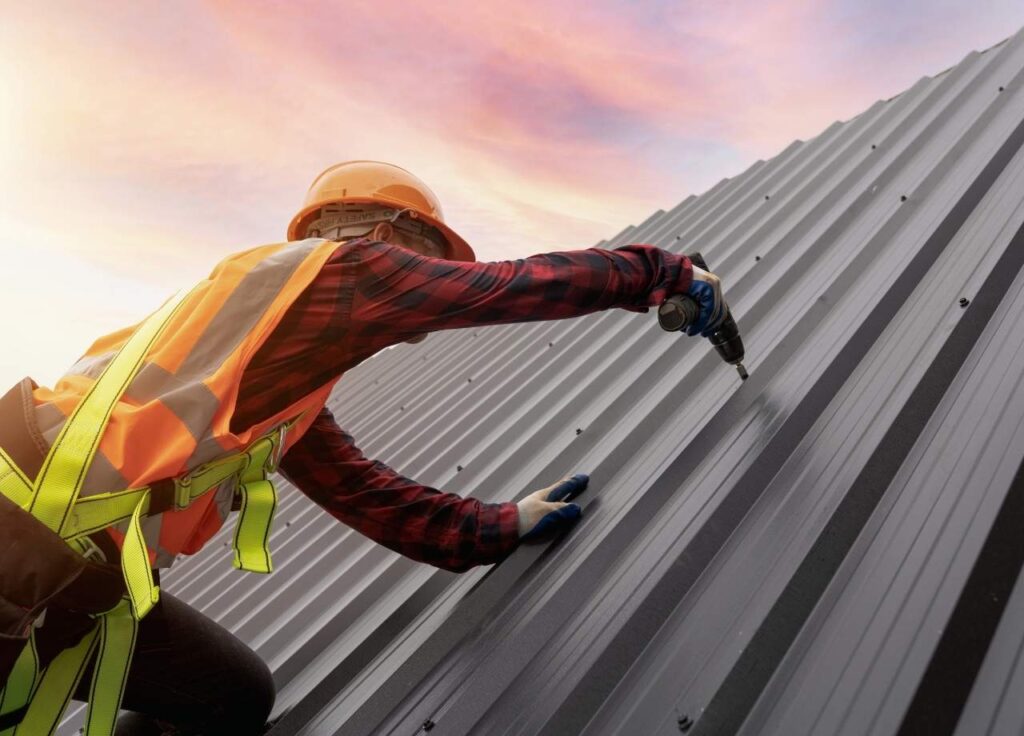
Corrosion resistance must be considered carefully near saltwater. The appropriate metal, protective coating, clips, screws, flashing, and related components should be selected according to the environment and manufacturer requirements. Quality architectural asphalt shingles can also be suitable for many homes when the selected system provides appropriate wind performance and is installed correctly.
Concrete and Masonry Provide Strength Where It Counts
Concrete is fundamental to many durable homes, but coastal construction places additional demands on foundations and structural systems. Soil conditions, drainage, elevation, flood exposure, and site-specific engineering requirements can all affect how a foundation should be designed.
Concrete slabs, reinforced concrete components, concrete masonry units, and appropriately engineered foundation systems can provide excellent strength and resistance to environmental stresses. However, concrete should never be treated as automatically waterproof. Moisture movement, cracking, drainage, vapor control, and penetrations still need to be addressed through proper design and construction.
For homes in flood-prone or low-lying areas, elevation requirements can significantly affect foundation decisions. Depending on the property and applicable regulations, a home may require an elevated foundation or another engineered approach. Coastal foundations should therefore be designed around actual site conditions rather than assumptions based on nearby homes.
Pressure-Treated and Engineered Lumber Have Important Roles
Wood remains a major component of residential construction throughout Southeast Georgia, but not every piece of lumber should be treated the same way. In areas vulnerable to moisture, insects, or ground contact, appropriately rated pressure-treated lumber can provide an important layer of protection against decay and termite damage.
Engineered wood products can also be valuable for structural applications. Products such as laminated veneer lumber, engineered I-joists, and structural panels are manufactured to deliver predictable performance when specified and protected correctly. They can help builders achieve longer spans, efficient framing layouts, and consistent structural results.
The key is using each product in the right application. Proper storage during construction, moisture control, flashing, termite protection, and correct installation all remain essential. In Coastal Georgia, particular attention should be paid to areas where wood meets masonry, exterior openings, decks, porches, and other locations where water can collect or enter.
Impact-Resistant and High-Performance Windows Deserve Consideration
Windows influence energy efficiency, comfort, water resistance, security, and the building envelope’s performance during severe weather. For Coastal Georgia homes, high-quality windows with durable frames and insulated glass can help reduce heat transfer while improving indoor comfort.
Low-emissivity glass coatings are especially useful in our warm climate because they can reduce unwanted solar heat gain without eliminating natural light. Depending on the home’s location and applicable requirements, impact-resistant glazing or other opening-protection strategies may also be worth considering.
Installation is critical. Even an excellent window can leak if the rough opening, sill pan, flashing, sealants, and water-resistive barrier are not integrated correctly. Proper installation turns the window into part of the home’s drainage and weather-protection system rather than a weak point in it.
Closed-Cell Spray Foam Can Be Useful, but the Assembly Matters
Insulation decisions in Coastal Georgia should account for both heat and moisture. Air conditioning operates for a substantial portion of the year, creating temperature and humidity differences between indoor and outdoor spaces. Poorly planned insulation and air sealing can contribute to uncomfortable rooms, high energy use, and moisture problems.
Closed-cell spray polyurethane foam can be useful in certain assemblies because it provides insulation while also creating a strong air barrier when installed correctly. Its low permeability can be advantageous in some designs, including particular roof and wall assemblies.
However, spray foam is not automatically the best answer for every house. HVAC design, ventilation, drying potential, roof configuration, and local code requirements all need to be considered. What matters most is treating insulation, air sealing, ventilation, and mechanical systems as connected parts of the same building.
Composite and PVC Decking Can Reduce Exterior Maintenance
Decks, stairs, and porches face constant exposure to sun, rain, humidity, and insects. Traditional wood can create a beautiful exterior space, but homeowners need to understand the maintenance required to keep it performing and looking its best.
Composite and PVC decking products are popular alternatives because they do not require the same staining and sealing routine as many natural wood decking materials. They are also resistant to common forms of rot and insect damage, making them attractive for homeowners who prioritize lower maintenance.
Not every composite product performs identically. Heat retention, expansion and contraction, fastening systems, structural requirements, and manufacturer warranties should all be evaluated. The supporting structure also matters, since premium deck boards installed over poorly protected framing will not create a durable deck.
Stainless Steel and Corrosion-Resistant Fasteners Are Worth the Investment
Fasteners are easy to overlook because most disappear once construction is complete. In a coastal environment, however, inappropriate screws, nails, bolts, hangers, or connectors can shorten the life of an otherwise durable assembly.
Stainless steel fasteners are often an excellent choice in highly corrosive environments, particularly for exposed exterior applications. Depending on the application and degree of exposure, appropriately coated or galvanized products may also be suitable.
Compatibility is particularly important with pressure-treated lumber because wood preservatives can be corrosive to certain metals. These seemingly minor details can make a significant difference in how well a coastal home performs over the long term.
Material Selection Should Start With the Site
There is no single list of materials that is perfect for every Coastal Georgia home. A house several miles inland may face substantially different salt, wind, and flood exposure than a waterfront property. Tree cover, orientation, drainage, elevation, architectural design, and maintenance expectations can further change which products make the most sense.
For that reason, we believe material decisions should start with the property and building design. Products should then be evaluated based on structural requirements, moisture resistance, corrosion resistance, energy performance, maintenance needs, expected lifespan, availability, and overall cost.
It is also important to consider lifecycle cost rather than focusing exclusively on the initial price. A less expensive exterior product may become considerably more costly if it needs frequent repairs, refinishing, or early replacement. At the same time, paying more for a premium product only makes sense when its advantages are appropriate for the home’s location and design.
Proper Installation Is Just as Important as the Material
One of the most important principles in coastal construction is that premium materials cannot compensate for poor workmanship. Water intrusion often begins at transitions such as roof-to-wall connections, windows, doors, decks, penetrations, flashing details, and changes in exterior materials.
Manufacturer specifications also matter. Fastener spacing, flashing methods, clearances, sealants, underlayments, ventilation, and attachment requirements are all part of a product’s intended performance. Ignoring those instructions can compromise even a high-quality material.
At Kelly Construction, we approach these decisions as parts of an interconnected building system. Our goal is not simply to assemble a collection of durable products. It is to build a home in which the structure, exterior envelope, roofing, windows, insulation, mechanical systems, and finishes work together for Coastal Georgia’s conditions.
Building for Coastal Georgia Means Thinking Long Term
The best Coastal Georgia homes are designed for more than the day the keys are handed over. They are built with the expectation that summers will be hot and humid, storms will happen, salt and moisture will challenge exterior materials, and homeowners will want a house that remains manageable to maintain.
Fiber cement siding, properly specified metal roofing, durable concrete and masonry systems, treated and engineered lumber, high-performance windows, moisture-conscious insulation, composite decking, and corrosion-resistant fasteners can all contribute to a longer-lasting home. The right combination depends on the property, design, budget, and exposure.
Good coastal construction ultimately comes down to making informed decisions before construction begins and executing the details correctly in the field. At Kelly Construction, our experience building in Southeast Georgia reinforces the same principle project after project: choose materials for the environment, install them correctly, and consider how every component works as part of the complete home. That approach produces homes better prepared for Coastal Georgia’s conditions and better positioned to serve their owners for years to come.

2 Comments