

The Ultimate New Construction Inspection Checklist
Building a new home or commercial space is a major investment, and while construction projects involve many moving parts, nothing is more important than ensuring the final product meets the highest standards of safety, function, and craftsmanship. That’s where inspections come in. A thorough new construction inspection is not just a formality—it’s a safeguard for your investment, your timeline, and your peace of mind. At Kelly Construction, we’ve seen firsthand how detailed inspections prevent costly surprises down the road, whether it’s in custom home construction or commercial buildouts across Southeast Georgia.
Too often, owners assume that because a building is brand new, it’s automatically problem-free. Unfortunately, even new builds can contain oversights, defects, or incomplete work. Electrical lines may not be properly grounded, plumbing connections might leak, or insulation could be missing in key areas. That’s why a structured inspection checklist is essential. Below, we’ll walk you through the ultimate inspection process—step by step—so you know exactly what to expect and what to look for before you sign off on a new build.
Foundation and Structural Integrity
The foundation is the backbone of any building, and it’s one of the first areas to inspect carefully. Even small cracks, uneven settling, or water intrusion at this stage can compromise the long-term stability of the structure. Inspectors should look for level surfaces, sound concrete work, and properly installed footings. In Southeast Georgia, where soil conditions and drainage can vary from lot to lot, extra attention must be paid to grading and water runoff to avoid future erosion or flooding concerns.
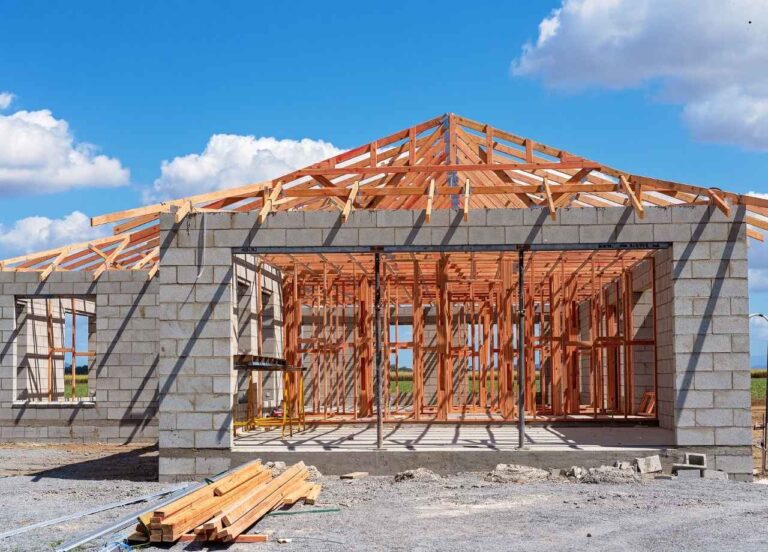
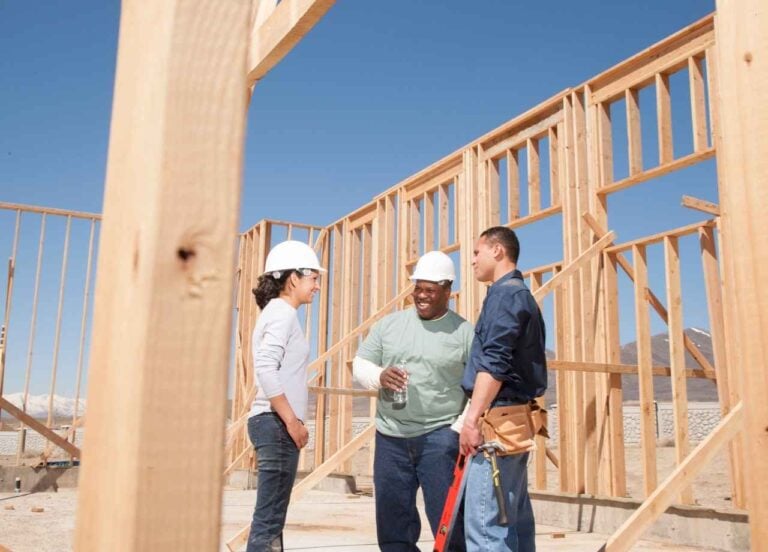
Above the foundation, framing should also be carefully reviewed. This includes checking that beams, studs, and joists are plumb, level, and properly secured. Inadequate framing can lead to problems with drywall, doors, and windows not fitting correctly later on. Structural inspections are not just about what’s visible; they ensure the building has been constructed to withstand the elements and remain safe for decades.
Roofing and Exterior
The roof is your first line of defense against the weather. A new construction inspection must confirm that shingles, tiles, or metal roofing have been installed correctly, with no gaps, warping, or exposed fasteners. Flashing around chimneys, vents, and valleys should also be checked to prevent leaks. In coastal regions or areas prone to heavy rainfall, like parts of Southeast Georgia, roofing inspections are especially critical to safeguard against moisture intrusion.
The rest of the exterior—siding, brickwork, stucco, or other finishes—should be inspected for uniform application, proper sealing, and durability. Gutters and downspouts must be firmly attached and correctly angled to direct water away from the foundation. Poor exterior workmanship may not reveal problems immediately but can quickly lead to mold, rot, or water damage if overlooked.
Plumbing Systems
Plumbing inspections should cover every visible line, joint, and connection throughout the property. Inspectors test water pressure, ensure drains flow freely, and confirm hot water systems function as intended. Special attention should be given to areas around sinks, tubs, and toilets, where leaks can occur if seals are not properly installed.
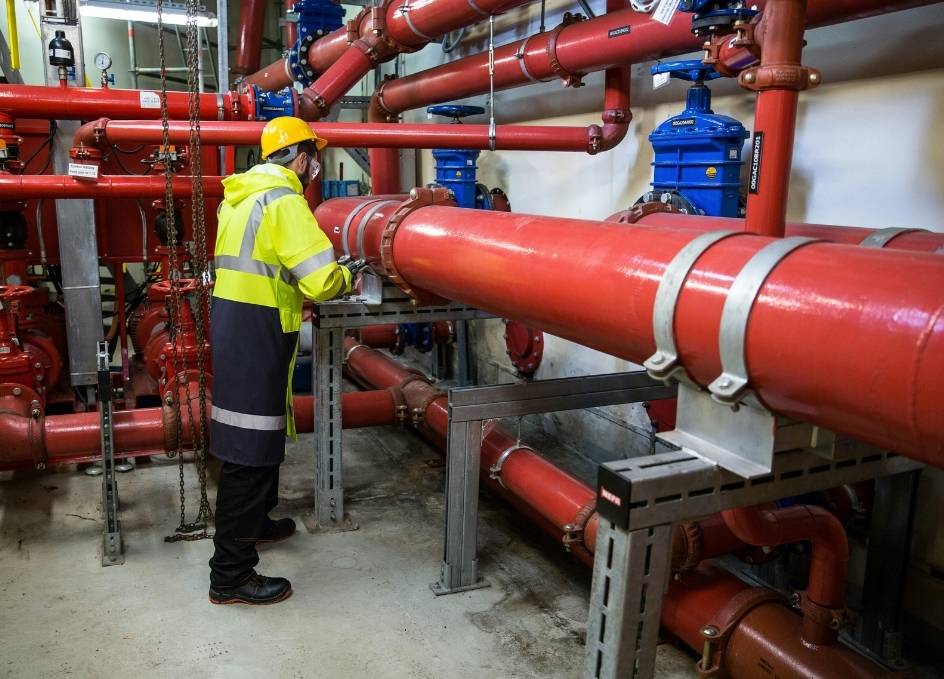
A thorough check also includes examining the water heater for correct installation, inspecting shut-off valves, and ensuring proper slope in drainpipes. Even brand-new plumbing can hide issues like loose fittings or slow leaks, which if ignored, could cause major damage over time. An inspection at this stage ensures the entire plumbing system operates efficiently and reliably.
Electrical Systems
Electrical safety is one of the most critical aspects of a new construction inspection. Every outlet, switch, and fixture should be tested for proper function. Inspectors also ensure that wiring is correctly sized, connections are secure, and the breaker panel is organized and clearly labeled.
In commercial buildouts, where energy loads are higher, inspections verify that systems are designed to handle the building’s demands without risk of overload. In homes, attention should also be given to GFCI outlets in kitchens, bathrooms, and outdoor areas. These prevent electrical shocks and are required by modern building codes. A strong inspection guarantees not only compliance but also peace of mind for property owners.
HVAC and Ventilation
Comfort in a new building depends heavily on heating, cooling, and ventilation systems. Inspections verify that the HVAC unit is properly installed, ductwork is sealed and free of leaks, and thermostats are fully operational. Airflow should be balanced so that each room maintains consistent temperatures.
Beyond comfort, proper HVAC inspection also protects against efficiency losses. Poorly sealed ducts or oversized units can lead to higher utility bills. Inspectors also check that ventilation systems meet safety requirements, especially in areas like laundry rooms, bathrooms, and kitchens where moisture buildup can lead to mold if not properly vented.
Insulation and Energy Efficiency
A well-insulated building is not only more comfortable but also more cost-effective to operate. Inspectors check that insulation has been installed consistently in walls, ceilings, and attics, with no gaps that allow air to escape. Windows and doors should be tightly sealed, with weatherstripping properly applied.
Energy efficiency inspections may also include reviewing window glass for proper ratings, ensuring appliances are installed according to specifications, and checking for drafts or leaks around penetrations in the building envelope. Over time, these small details make a significant difference in the overall performance and cost savings of a property.
Interior Finishes
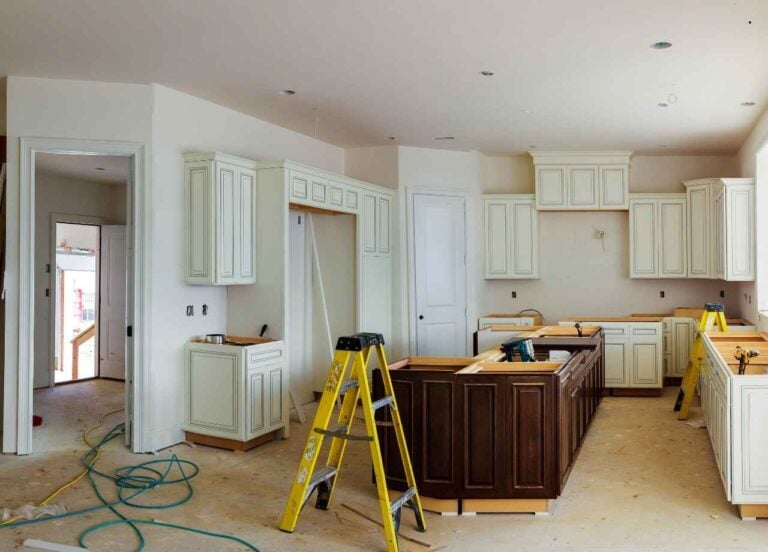
While mechanical systems and structure are vital, the quality of a construction project also comes down to the details inside. Inspections should confirm that drywall is smooth and properly finished, flooring is level and secure, and trim work is neat and consistent. Cabinets, countertops, and built-in shelving must be properly installed without gaps or defects.
Windows and doors should open and close smoothly without sticking, and locks should operate correctly. Paint and finishes should be evenly applied, with no overspray or missed areas. These details may seem minor compared to structural inspections, but they directly impact the everyday experience of living or working in the building.
Safety and Code Compliance
Every inspection should also verify that the project meets local building codes and safety standards. This includes proper placement of smoke detectors, carbon monoxide alarms, and fire-rated materials where required. Staircases and railings must be secure, and emergency exits should meet code requirements.
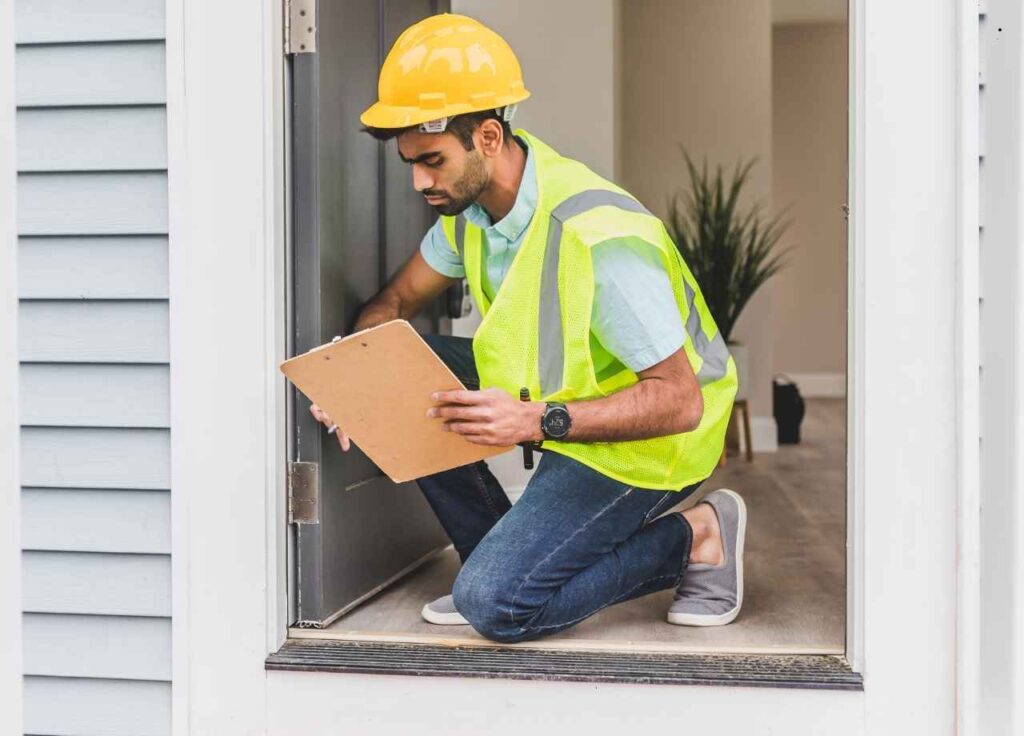
Building codes are designed to protect property owners, so compliance is not optional—it’s a necessity. By ensuring that every detail is correct before occupancy, you reduce liability and guarantee that your new construction is built to last.
Final Walkthrough and Documentation
The last step in a new construction inspection is the final walkthrough. This is the point where the owner, contractor, and inspector all confirm that the project is complete and all issues have been addressed. Documentation from inspections should be carefully reviewed and stored, as it provides proof of compliance and can be valuable if you ever sell or lease the property.
At Kelly Construction, we encourage clients to treat inspections not as a hurdle, but as an essential safeguard. A detailed checklist ensures no corner is cut and no problem is overlooked, giving you complete confidence in your investment.
Conclusion
New construction inspections are about more than just checking boxes—they’re about protecting your investment, ensuring safety, and confirming that every element of your new property meets the highest standards. From the foundation to the final coat of paint, every stage deserves careful review. By following a comprehensive checklist like the one above, you ensure that your project is truly move-in ready, free of hidden defects, and built to last.
Whether you’re planning a new home, a commercial buildout, or a large-scale development in Southeast Georgia, the key to long-term satisfaction is starting with precision and ending with accountability. A thorough inspection bridges that gap.