

Understanding the Design-Build Process for Your Commercial Project
When you’re planning a commercial construction project, the method you choose to bring that vision to life can make all the difference in your timeline, budget, and final result. One increasingly popular method across Southeast Georgia is the design-build process. Unlike traditional project delivery, design-build streamlines construction by consolidating both design and construction services under one contract—a single point of responsibility. This approach creates a more efficient, collaborative, and accountable building experience.
At Kelly Construction, we often guide clients through the design-build process for commercial buildouts, healthcare facilities, and custom business spaces. This method suits owners who value clarity, speed, and cost control without sacrificing quality. But to take full advantage of its benefits, it helps to understand how the process works from start to finish.
What Is Design-Build?
In a traditional design-bid-build project, an architect designs the project, and then contractors bid to build it. This split can cause miscommunications, delays, and finger-pointing if issues arise. Design-build integrates design and construction under one roof. From the initial sketches to final walkthroughs, a unified team manages the full scope.

This structure isn’t just about convenience—it fundamentally changes how decisions are made. Communication is streamlined, timelines are tightened, and everyone is working toward the same goal from day one. With Kelly Construction managing both ends, clients avoid costly design flaws, value-engineer smarter solutions early on, and keep momentum throughout.
The Design-Build Process: Step by Step
1. Initial Consultation and Project Assessment
The process begins with an in-depth consultation. We listen closely to the owner’s goals, budget, site requirements, and regulatory needs. Whether it’s a medical office renovation or a new commercial shell, this stage is about aligning expectations and understanding constraints. We might also perform a site analysis, research zoning requirements, and review existing building conditions.
This is also the time where we clarify the owner’s vision: What kind of functionality do you need? What image should the building project to clients or tenants? How should it grow with your business? These aren’t just design questions—they guide the entire delivery plan.
2. Preliminary Design and Budgeting
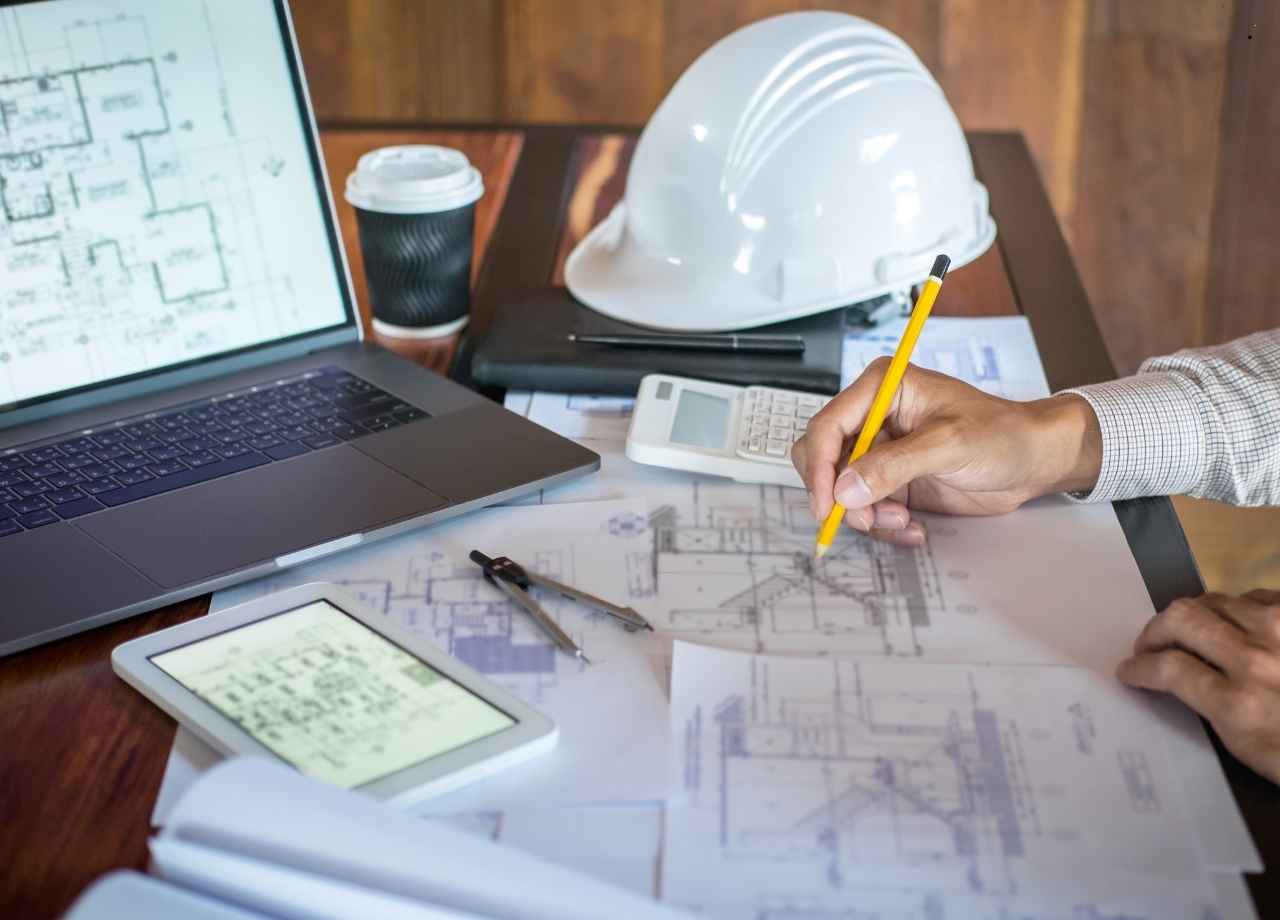
After the initial intake, our design team gets to work. This includes conceptual layouts, basic elevations, and material discussions. Unlike standalone architectural firms, our integrated process means designers and builders are collaborating from the start. If a material or layout change would blow the budget or delay procurement, we know it immediately—not after the drawings are finalized.
At this point, we also begin preliminary budgeting. This early cost visibility helps owners make informed design choices. By grounding design in cost realities, surprises later on are minimized. The goal here isn’t to just meet the budget—it’s to maximize every dollar within it.
3. Detailed Design and Pre-Construction Planning
Once the concept is approved, we move into detailed architectural and engineering design. This is where specifics get locked in: mechanical systems, structural plans, electrical layouts, finishes, and compliance requirements. For commercial clients, it often includes ADA accessibility, fire suppression, energy code compliance, and tenant improvement guidelines.
Simultaneously, our construction team builds out a precise project schedule, orders long-lead items, and lines up permitting. Coordination between design and build teams avoids many of the slowdowns that plague traditional delivery models. We can often begin early site work or demolition even as interior designs are being finalized.
4. Construction Execution
With design finalized and permits in place, construction begins. Because the entire team has been involved from the start, the handoff to construction is seamless. The build phase benefits from detailed pre-planning, fewer RFIs (requests for information), and faster issue resolution. The owner continues to work with the same project manager and point of contact they’ve known since day one.
Regular progress updates, on-site meetings, and budget tracking ensure full transparency. Changes or field adjustments are handled faster and with less friction, since the designers and builders are already aligned. This is especially valuable for active business sites or phased commercial projects where minimizing downtime is key.
5. Closeout and Post-Construction Support
When construction wraps, we conduct final walkthroughs, issue punch lists, and verify that all systems perform to spec. But our involvement doesn’t stop there. We provide as-built documentation, warranty details, and operational guidance to ensure a smooth transition into the new space.
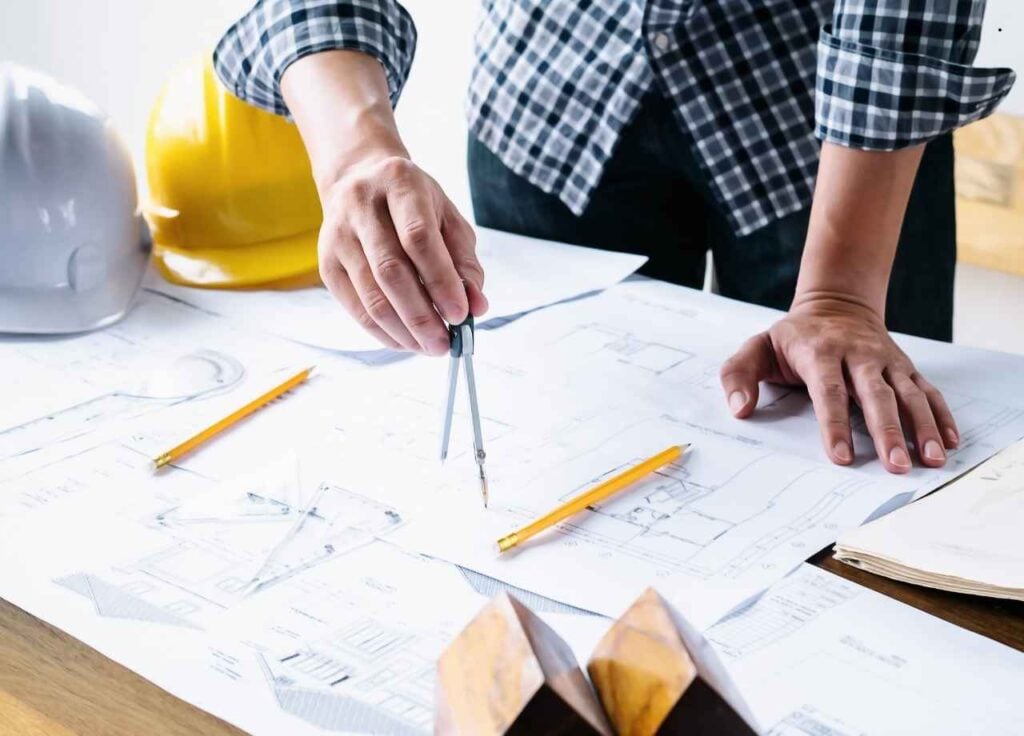
For many commercial owners, this stage also includes future planning. Because we understand the building from the ground up, we’re able to advise on future expansion or maintenance strategies that protect your investment.
Advantages of the Design-Build Approach
The design-build method offers several strategic advantages for commercial construction:
Faster Delivery Times: With overlapping design and construction phases, projects can break ground sooner.
Cost Control: Real-time budgeting throughout the design process allows informed decisions and reduces change orders.
Clear Accountability: One contract means one responsible entity. No more finger-pointing between designers and contractors.
Enhanced Collaboration: Design and construction teams work together from the start, reducing miscommunication and inefficiency.
Higher Quality Outcomes: Continuous oversight from a unified team ensures quality standards are met at every phase.
Is Design-Build Right for Your Commercial Project?
While design-build offers compelling benefits, it’s not ideal for every situation. Some public projects may require design-bid-build due to procurement rules. However, for private commercial owners, especially those with clear goals and timelines, design-build provides unmatched efficiency and control.
If you value a streamlined process with a single team responsible for delivering your vision, then design-build is worth serious consideration. At Kelly Construction, we use this method not just because it’s efficient—but because it delivers better results, faster, and with fewer surprises along the way.
Final Thoughts
Understanding the design-build process gives owners more than just insight—it gives them leverage. When you know how the system works, you can set realistic expectations, make confident decisions, and choose the right partner to bring your project to life.
In Southeast Georgia, commercial clients continue to trust Kelly Construction to deliver custom buildouts and commercial facilities through this integrated method. When executed properly, design-build doesn’t just build buildings—it builds better outcomes.