



Navigating Permits and Regulations for Construction in Georgia
Whether you’re building a custom home on the coast or renovating a commercial space inland, every construction project in Georgia must pass through a maze of permits, zoning requirements, and building regulations. It’s one of the most critical phases in any project—yet often one of the most overlooked by property owners eager to break ground. At Kelly Construction, we’ve seen firsthand how early, informed navigation of these requirements can keep projects on schedule and protect clients from costly delays or penalties.
In Southeast Georgia, the regulatory landscape varies from county to county, with some municipalities enforcing stricter codes or processing permits on a slower timeline. This is why a thorough understanding of both state and local laws is essential. From site plan reviews to environmental compliance, every step must be handled with accuracy. That’s part of why our design-build services include full permitting support—we don’t just build; we coordinate with your local authorities to keep your project legally sound and moving forward.
Let’s break down what homeowners and commercial clients should know about construction permits and regulations across Georgia, especially in the southeastern region.
Understanding the Permit Process in Georgia
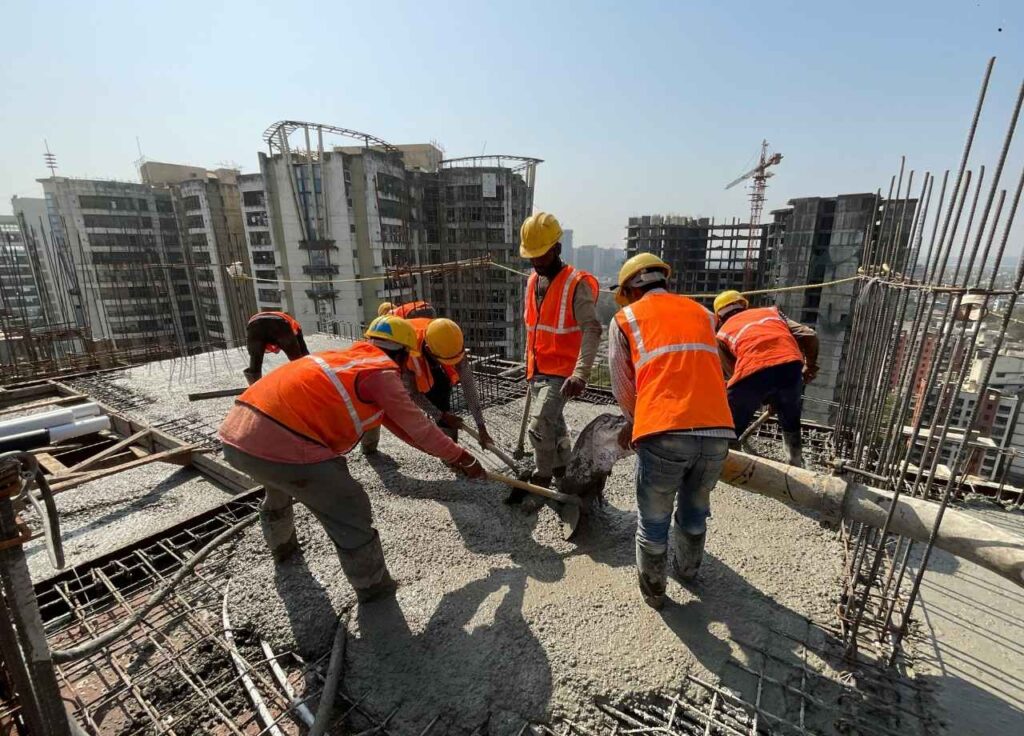
Before you pour concrete or swing a hammer, you’ll need to pull the right permits. In Georgia, construction permits are issued by the local county or city building department. The specific types of permits required depend on the project scope. For most ground-up residential or commercial builds, a general building permit is required, often accompanied by electrical, plumbing, mechanical, and grading permits.

The process typically starts with submitting architectural and engineering plans for review. These plans must meet all applicable building codes, including the Georgia State Minimum Standard Codes, which include the International Building Code (IBC), International Residential Code (IRC), and others. Local jurisdictions may also have amendments or stricter provisions layered on top.
Once plans are approved, permits are issued, inspections are scheduled, and only then can work legally begin. For many property owners, especially those new to construction, this process can feel bureaucratic or confusing. Working with a contractor who knows how to manage these approvals efficiently can make a significant difference.
Zoning and Land Use: Know What’s Allowed on Your Property
Zoning is one of the first and most crucial checkpoints. Each piece of land in Georgia is zoned for specific uses—residential, commercial, industrial, agricultural, or mixed-use. Zoning ordinances determine not just what type of structure can be built, but how tall it can be, how far it must be set back from the property lines, how much parking is required, and more.
For example, if you’re planning a custom home in Glynn County, you’ll need to ensure the property is zoned for residential use, and you’ll have to comply with local density, height, and setback restrictions. In a commercial setting, like a buildout in downtown Brunswick, zoning becomes even more complex with considerations like traffic impact, signage regulations, and occupancy limits.
If your intended project doesn’t conform to the current zoning, you may need to apply for a variance, special use permit, or rezoning—each of which involves public hearings and extended approval timelines. That’s why we always recommend confirming zoning compliance before purchasing land or drafting plans.
Environmental and Coastal Considerations in Southeast Georgia
Southeast Georgia presents some unique permitting challenges due to coastal environment and its proximity to protected wetlands, flood zones. Projects near marshlands or waterways are often subject to additional oversight by the Georgia Department of Natural Resources (DNR) and the U.S. Army Corps of Engineers. These agencies may require wetland delineation studies or special environmental permits before any site work begins.
If your property lies within a FEMA-designated floodplain—common in areas like Camden or McIntosh County—you’ll need to meet stricter elevation and drainage requirements. In many cases, an elevation certificate will be required to verify compliance.
On the coast, the Shore Protection Act and Coastal Marshlands Protection Act impose further regulations. Even simple modifications like decks or seawalls may need approval if they fall within protected zones. These aren’t optional steps—they’re legal mandates with real penalties for non-compliance.
Inspections and Code Compliance: It Doesn’t End with the Permit
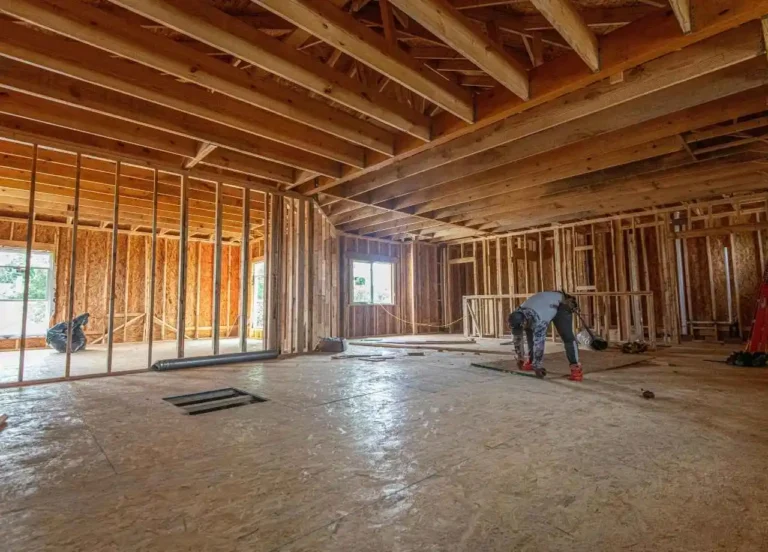
Permitting is just the first half of the regulatory journey. After construction begins, periodic inspections are conducted by the local building department to ensure the work aligns with approved plans and meets code requirements. Common inspections include foundation, framing, plumbing, electrical, HVAC, and final occupancy.
If an inspector finds issues—whether it’s an improperly installed beam or missing fire-blocking in a wall cavity—they can issue a correction notice and halt work until it’s resolved. Failing inspections not only slows down progress but can add unexpected labor and material costs.
At Kelly Construction, we manage inspections proactively, staying ahead of code updates and coordinating closely with inspectors. Our goal is to prevent failed inspections and rework, which ultimately protects the timeline and the client’s budget.
Special Permits for Commercial Projects
While residential projects have their share of regulatory requirements, commercial construction in Georgia adds several layers of complexity. Depending on the type of business, you may need health department approval, fire marshal clearance, or special licensing tied to occupancy. Restaurants, medical offices, daycare facilities, and industrial buildings all come with specific compliance needs that must be addressed during the permitting phase.
ADA (Americans with Disabilities Act) compliance is another crucial aspect. All new commercial construction or major renovations must meet federal ADA guidelines—this includes parking, ramps, door widths, bathroom access, and signage. The cost of correcting non-compliant work after the fact is far greater than planning for it from the outset.
The Role of Your Contractor in Permitting and Compliance
Contractors play a critical role in navigating permits and regulations. An experienced, licensed contractor will not only understand the local building codes but will have working relationships with municipal departments, inspectors, and plan reviewers. This familiarity can translate into smoother approvals, fewer delays, and a more transparent experience for the client.
At Kelly Construction, we don’t leave permitting up to chance. Our team oversees the entire permitting process—from initial code research to submission and follow-up—so clients aren’t left guessing. We’re licensed across multiple counties in Southeast Georgia and maintain a deep knowledge of regional compliance standards.
Why Permitting Should Never Be Skipped or “Worked Around”
In an effort to save time or money, some property owners may be tempted to skip permits—especially for smaller projects like interior renovations or detached garages. This is a risky move. Unpermitted work can lead to steep fines, mandatory tear-outs, and complications with property appraisals or insurance claims. If the work is discovered during a future property sale, it could jeopardize the deal entirely.
Moreover, permitted projects are subject to inspections that ensure safety and structural integrity. This protects not just your investment, but the people who live or work in the space. It’s not just about compliance—it’s about building responsibly.
Final Thoughts: Be Proactive, Not Reactive
Permits and regulations may not be the most exciting part of a construction project, but they’re among the most important. Understanding them early—and partnering with a contractor who treats compliance as a priority—can save time, money, and stress in the long run.
In Southeast Georgia, where local nuances shape how rules are applied, it pays to work with a team that knows the terrain. At Kelly Construction, we bring experience, precision, and integrity to every phase of construction—including the behind-the-scenes permitting that makes everything possible.
Whether you’re planning a new build, renovation, or commercial development, make permitting a first step—not an afterthought. Your project depends on it.




One Comment