

Why Developers Choose Design-Build to Streamline Local Code Approvals
Navigating the local permitting and code approval process is one of the most challenging aspects of any construction project. Even experienced developers can face unexpected delays when plans require revisions, documentation is incomplete, or coordination between architects, engineers, and contractors falls short. Every additional review cycle can impact schedules, increase carrying costs, and create uncertainty for project stakeholders.
At Kelly Construction, we’ve seen firsthand how the design-build approach helps eliminate many of these common obstacles. By bringing design professionals and construction experts together under one collaborative process, projects are developed with local code compliance in mind from the very beginning. Whether we’re delivering commercial construction, tenant improvements, or custom development projects, early coordination creates a smoother path through permitting while reducing unnecessary delays.
While every municipality has its own requirements and review procedures, the advantages of design-build remain remarkably consistent. Developers benefit from a unified team that understands how design decisions affect construction, permitting, scheduling, and budget—all at the same time. Instead of solving problems after permit reviewers identify them, many potential issues are addressed before plans are ever submitted.
Understanding Why Local Code Approvals Create Project Delays
Building codes exist for an important reason. They protect public safety, ensure structural integrity, promote accessibility, and establish minimum standards for construction quality. However, complying with these regulations often requires coordination across multiple disciplines, including architecture, structural engineering, mechanical systems, plumbing, electrical design, fire protection, and site development.
In traditional project delivery methods, these disciplines frequently operate independently. Architects complete designs before contractors become actively involved, and builders may not review constructability or local compliance concerns until after drawings have been finalized. If code reviewers identify conflicts during permitting, the project can enter a cycle of revisions, resubmittals, and additional review periods.
Each revision may seem relatively minor on its own, but collectively they can extend project timelines by weeks or even months. During that time, financing costs continue, subcontractor schedules shift, and planned occupancy dates may need to be adjusted.
Developers understand that permitting delays rarely stem from a single issue. More often, they result from communication gaps between professionals working on different portions of the project. Eliminating those gaps has become one of the strongest reasons developers increasingly favor the design-build model.
How Design-Build Creates Better Coordination From Day One
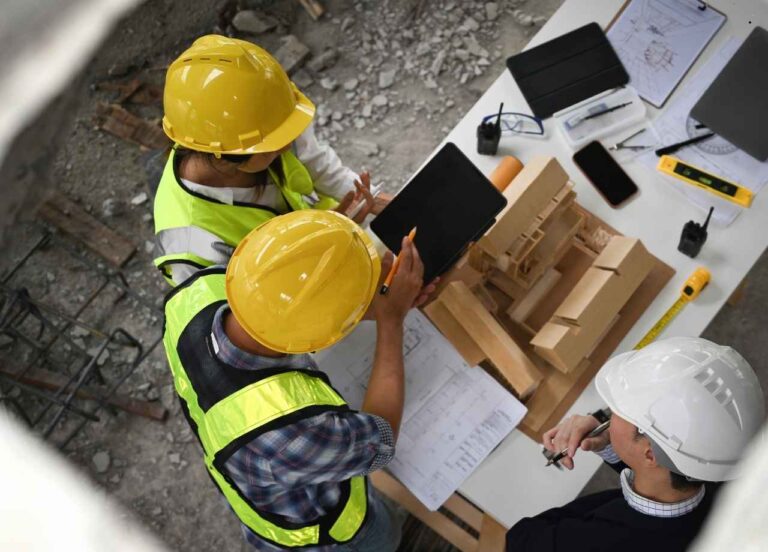
Unlike the traditional design-bid-build approach, design-build establishes collaboration from the earliest planning stages. Designers and construction professionals work together throughout project development rather than handing responsibilities off sequentially.
This integrated process allows construction expertise to influence design decisions before drawings are finalized. Questions about local building requirements, construction methods, material selections, scheduling constraints, and permitting expectations can all be addressed during design instead of after permit submission.
When architects understand how construction sequencing affects inspections, and builders understand why certain design elements are necessary for compliance, the resulting plans tend to be more complete and better coordinated.
Developers benefit because the project team is solving problems internally before regulatory agencies have an opportunity to identify them.
Early Code Compliance Prevents Costly Revisions
One of the greatest strengths of design-build is proactive code review.
Rather than assuming plans will meet local requirements, integrated teams routinely evaluate designs against applicable building codes, zoning ordinances, accessibility standards, fire safety requirements, and local amendments throughout the design process.
This ongoing evaluation often uncovers issues that could otherwise trigger permit comments later. Examples include occupancy classifications, exiting requirements, accessible routes, structural detailing, fire-rated assemblies, utility coordination, and site access considerations.
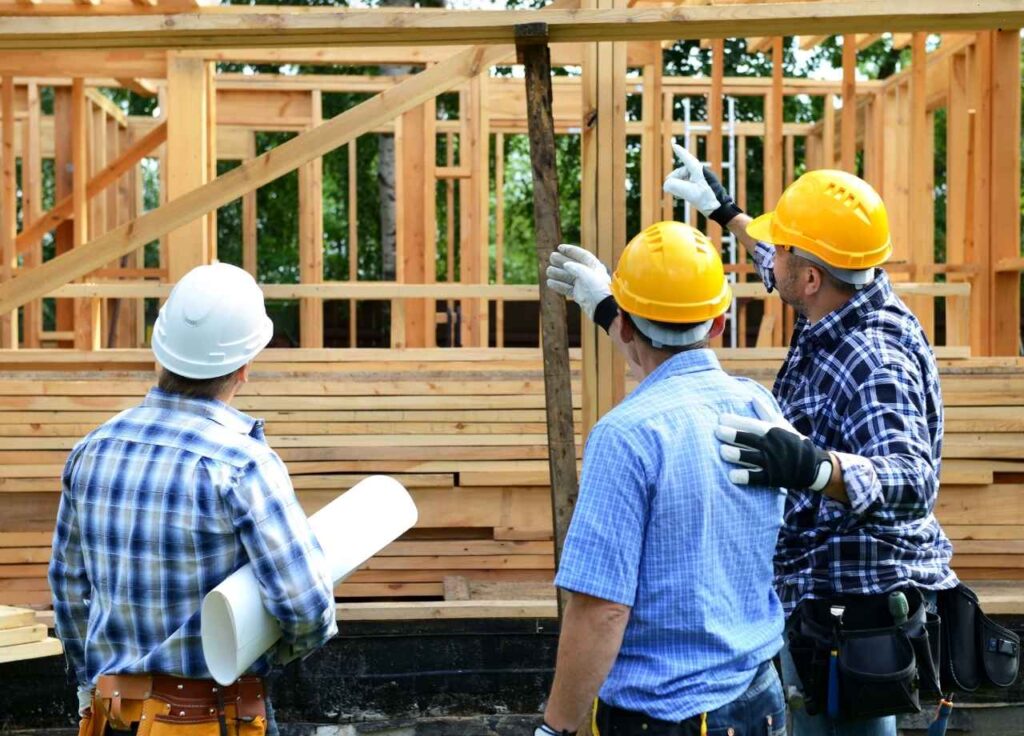
Addressing these items during design is almost always faster and less expensive than redesigning completed construction documents after submission.
Developers also appreciate that proactive compliance reduces uncertainty. While no contractor can guarantee approval timelines, submitting coordinated plans typically results in fewer corrections and a more predictable review process.
Improved Communication Reduces Administrative Delays
Construction projects generate an enormous amount of information. Drawings, specifications, engineering calculations, product data, surveys, reports, and permit applications must all align before reviewers can effectively evaluate a project.
In fragmented delivery methods, discrepancies sometimes appear because information originates from multiple independent sources. A structural detail may not match architectural drawings, mechanical layouts may affect ceiling heights, or civil plans may conflict with utility locations.
Design-build minimizes these coordination problems because communication occurs continuously among all project participants.
Instead of waiting until documents are complete, team members review evolving plans together, discuss potential conflicts, and resolve discrepancies before submission.
This collaborative workflow creates documentation that is more consistent, making it easier for reviewers to understand project intent and verify compliance.
Local Knowledge Makes a Significant Difference
Although many building codes are based on national standards, every jurisdiction interprets and administers them differently. Local amendments, zoning regulations, floodplain requirements, stormwater management standards, environmental considerations, and inspection procedures all influence how projects move through the approval process.
Developers working within a specific region often benefit from partnering with construction teams that understand these local expectations.
Experience with regional permitting agencies allows design-build teams to anticipate documentation requirements, recognize common review comments, and prepare submissions accordingly. This familiarity doesn’t replace compliance with regulations, but it does improve preparedness.
At Kelly Construction, our experience serving Southeast Georgia provides valuable insight into local construction practices and regulatory expectations. Understanding the unique requirements of the communities we serve allows us to coordinate projects more effectively and support smoother communication throughout permitting.
Faster Decision-Making Keeps Projects Moving
Traditional project delivery often requires developers to communicate separately with architects, engineers, consultants, and contractors whenever questions arise. Even relatively small design adjustments may require multiple meetings and lengthy coordination before decisions can be finalized.
Design-build simplifies this process by creating a single collaborative team.
When code reviewers request clarification or recommend modifications, the necessary professionals are already working together. Design revisions, cost implications, scheduling impacts, and constructability considerations can all be evaluated simultaneously.
This streamlined decision-making process helps projects maintain momentum throughout permitting instead of becoming stalled while separate firms coordinate responses.
Developers gain valuable time because communication happens directly rather than passing through multiple organizational layers.
Better Budget Control During the Approval Process
Permitting delays affect more than schedules—they also influence project costs.
Extended review periods may increase financing expenses, delay tenant occupancy, affect subcontractor availability, and expose projects to material price fluctuations. Even modest delays can have significant financial consequences on larger commercial developments.
Design-build helps improve budget control by identifying potential issues earlier, reducing redesign work, and minimizing unexpected changes during permitting.

Construction professionals also provide ongoing cost input as designs evolve. If code requirements influence material selections or building systems, developers can evaluate financial impacts before construction documents are finalized.
This transparency allows informed decisions throughout project development rather than reacting to unexpected costs after permits have already entered review.
Constructability Reviews Strengthen Permit Submissions
A project may satisfy code requirements while still presenting practical construction challenges.
Design-build addresses this through constructability reviews that evaluate how drawings translate into actual field conditions.
Construction managers examine access requirements, sequencing, equipment installation, structural coordination, material availability, and inspection requirements before construction begins.
While constructability primarily improves field operations, it also contributes to stronger permit documents. Plans that accurately reflect practical construction methods tend to produce fewer questions during regulatory review because design intent is clearly demonstrated.
Developers ultimately receive permit packages that are not only code-compliant but also realistically buildable.
Risk Reduction Benefits Every Stakeholder
Construction projects involve numerous risks, including scheduling uncertainty, budget changes, design conflicts, and regulatory delays.
Design-build cannot eliminate every risk, but it allows many challenges to be identified much earlier than traditional delivery methods.
When designers and builders collaborate continuously, potential compliance concerns are discussed before they become permitting issues. Budget implications are understood while design remains flexible. Scheduling impacts are evaluated alongside design decisions rather than afterward.
This integrated approach creates a more predictable project environment.
Developers appreciate greater confidence in project planning because fewer surprises emerge after permitting begins.
Municipal reviewers also benefit from receiving coordinated documentation that clearly communicates project intent, reducing confusion during plan review.
Why Design-Build Continues to Gain Momentum
The construction industry has steadily embraced design-build because it reflects how successful projects naturally operate: through collaboration rather than separation.
Developers today face increasing pressure to deliver projects efficiently while managing rising construction costs, evolving regulations, labor availability, and compressed schedules. Every phase of project delivery benefits when communication improves and unnecessary delays are reduced.
Design-build supports these goals by encouraging continuous coordination among everyone responsible for project success. Architects, engineers, construction managers, and developers remain aligned from concept through completion instead of working independently at different stages.
The result is often a permitting process that is more organized, more predictable, and better prepared for local review.
While every project presents unique challenges, developers consistently choose design-build because it helps create stronger documentation, improves communication, supports early code compliance, and streamlines decision-making throughout the approval process.
As building codes continue to evolve and regulatory expectations become increasingly complex, integrated project delivery will likely remain one of the most effective strategies for reducing permitting obstacles. By prioritizing collaboration from the earliest stages of planning, developers position their projects for smoother approvals, better coordination, and more efficient construction from start to finish.