

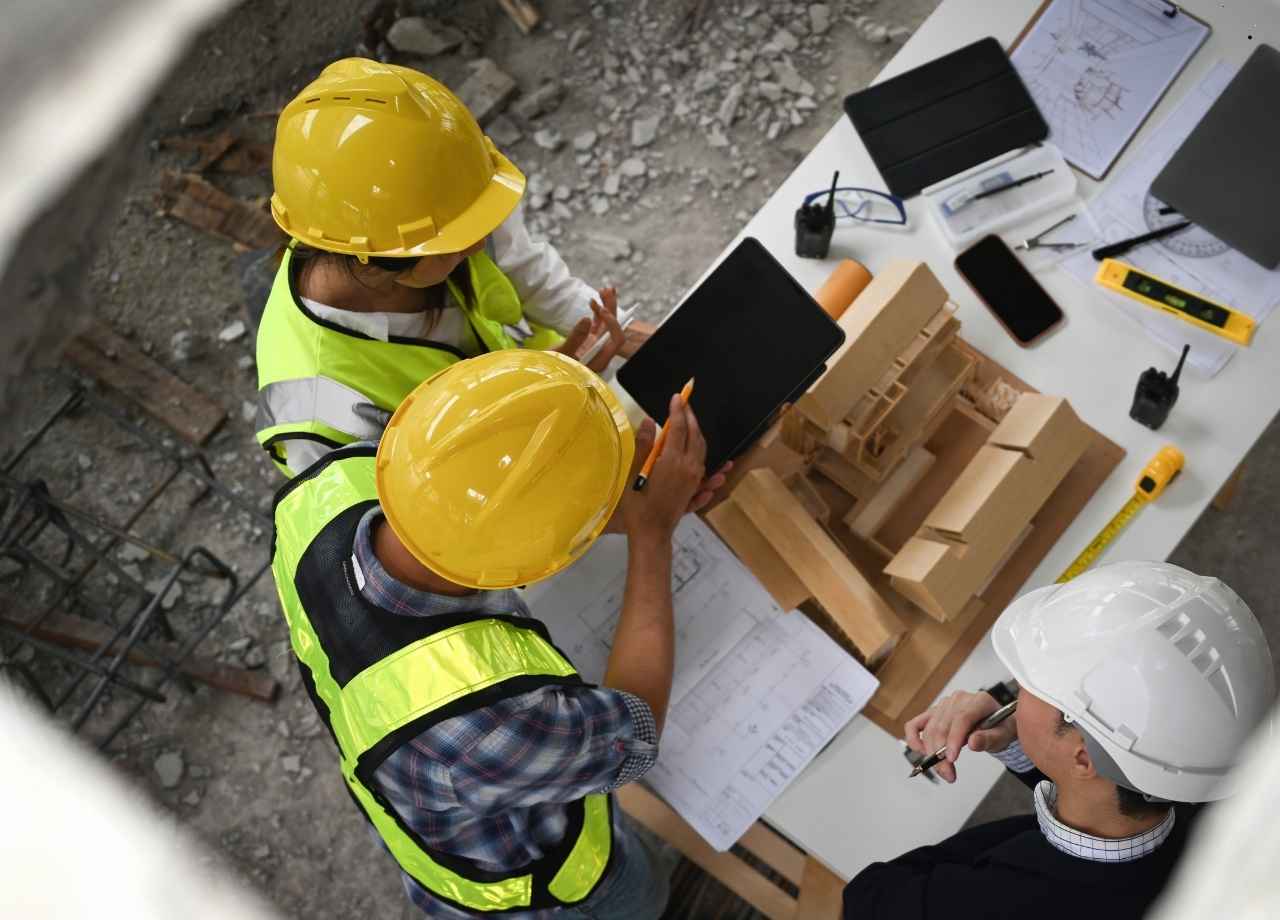
Maximizing Retail & Office ROI: High-Impact Tenant Improvements for Kingsland and St. Simons Businesses
For retail stores, professional offices, medical practices, and commercial spaces throughout Kingsland and St. Simons, the physical environment plays a much larger role in business success than many owners initially realize. A thoughtfully designed commercial space influences customer perception, employee productivity, operational efficiency, and ultimately profitability. Whether you’re opening a new location, expanding an existing business, or preparing a property for a new tenant, strategic tenant improvements can significantly increase your return on investment.
At Kelly Construction, we’ve worked with business owners and property investors across Southeast Georgia who understand that tenant improvements are about much more than aesthetics. Well-planned renovations create functional spaces that support long-term business goals while increasing the value and marketability of commercial properties. From office build-outs to retail renovations and complete commercial construction projects, the right improvements help businesses stay competitive in growing local markets without unnecessary overspending.
The most successful tenant improvement projects aren’t driven by trends alone. They’re guided by careful planning, practical design decisions, and construction expertise that balances appearance, durability, compliance, and future flexibility. Understanding where to invest—and where not to—can make a significant difference in both short-term performance and long-term property value.
Understanding the Real Value of Tenant Improvements
Tenant improvements refer to modifications made to a commercial space to meet the operational needs of a specific business or tenant. These improvements can range from cosmetic upgrades such as flooring, lighting, and paint to complete interior reconfigurations involving new walls, mechanical systems, plumbing, electrical work, and accessibility improvements.
Unlike residential remodeling, commercial tenant improvements must consider building codes, fire safety requirements, occupancy classifications, accessibility regulations, workflow efficiency, and long-term maintenance costs. Every decision impacts not only appearance but also business operations and future leasing opportunities.
For commercial property owners in Kingsland and St. Simons, quality tenant improvements often translate into stronger lease rates, reduced vacancy periods, and higher property values. For business owners, these improvements help attract customers, improve employee satisfaction, and create an environment that supports operational efficiency.
Rather than viewing tenant improvements strictly as construction expenses, successful businesses see them as strategic investments designed to generate measurable returns over time.
Why First Impressions Continue to Drive Business Success
Customers begin forming opinions about a business long before interacting with employees or purchasing products. The condition, layout, lighting, cleanliness, and overall appearance of a commercial space communicate professionalism and credibility within seconds.
For retail businesses, attractive storefronts, intuitive customer flow, and modern finishes encourage shoppers to spend more time browsing. Studies consistently show that customers are more likely to return to businesses where they feel comfortable and confident in the environment.
Professional offices experience similar benefits. Clients visiting law firms, financial advisors, healthcare providers, or corporate offices often associate the quality of the physical space with the quality of the services being provided. An outdated or poorly maintained office may unintentionally create concerns about professionalism, while a modern, organized workspace reinforces confidence.
In competitive destinations like St. Simons Island, where visitors have numerous shopping and dining options, creating a memorable first impression can directly influence customer retention and referrals.
Creating Functional Spaces That Improve Daily Operations
One of the greatest returns from tenant improvements often comes from improving functionality rather than appearance alone.
Many older commercial spaces were designed around previous tenants with entirely different operational needs. Retail displays may interrupt customer traffic patterns. Office layouts may create unnecessary bottlenecks. Storage areas may consume valuable square footage while offering limited efficiency.
Strategic interior renovations allow businesses to redesign their environments around current operations instead of adapting workflows to outdated layouts.
Open collaborative workspaces may improve communication among employees, while private offices provide areas for confidential meetings. Retail stores benefit from optimized checkout placement, improved product visibility, and better circulation paths that naturally encourage customers to explore more of the space.
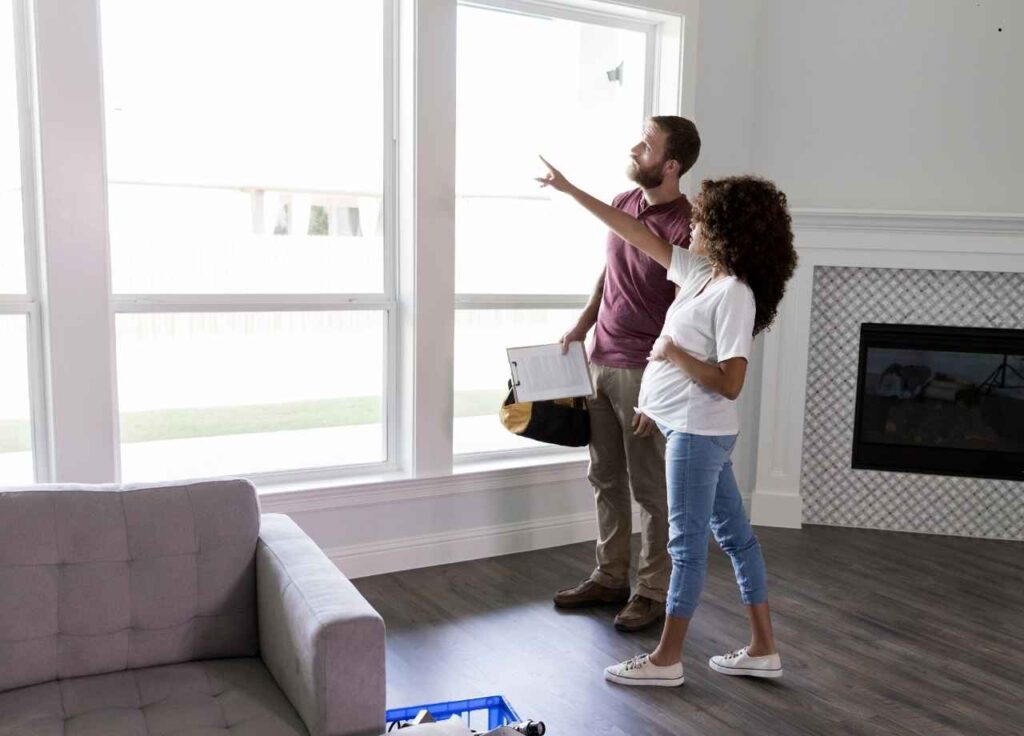
Even relatively small modifications can improve workflow significantly. Relocating service counters, expanding storage areas, improving lighting, or upgrading employee workspaces often delivers measurable operational improvements without requiring complete renovations.
Modern Finishes That Offer Long-Term Value
Not every finish provides the same return on investment. Commercial environments require materials that balance appearance with durability, maintenance requirements, and lifecycle costs.
Flooring is a prime example. While lower-cost materials may reduce initial construction expenses, they often require more frequent replacement or repairs. Investing in durable commercial flooring designed for heavy foot traffic typically reduces maintenance costs while maintaining a professional appearance for years.
Lighting upgrades offer another high-impact improvement. Modern LED systems improve energy efficiency while creating brighter, more inviting interiors. Proper lighting also enhances product displays, improves workplace visibility, and contributes to employee comfort.
Fresh paint, updated ceilings, modern wall finishes, and coordinated color palettes help businesses present a polished image without requiring extensive structural modifications. Choosing timeless finishes over rapidly changing design trends helps spaces remain attractive longer, maximizing renovation value.
Technology Integration Is Becoming Essential
Today’s commercial spaces must support evolving technology needs.
Businesses increasingly rely on reliable internet infrastructure, video conferencing capabilities, security systems, digital displays, access control, and integrated communications. Planning for these systems during tenant improvements minimizes disruption while ensuring future adaptability.
Office renovations often include dedicated technology rooms, expanded electrical capacity, additional data cabling, wireless access improvements, and charging stations throughout the workspace.
Retail businesses benefit from upgraded point-of-sale systems, digital signage, inventory management technology, surveillance systems, and customer Wi-Fi capabilities.
Coordinating these improvements during construction allows electrical, communication, and security systems to be integrated efficiently rather than retrofitted later at greater expense.
Improving Energy Efficiency Without Sacrificing Performance
Energy efficiency has become an increasingly important factor in commercial renovation decisions, particularly as utility costs continue to rise.
Replacing outdated HVAC systems, improving insulation, installing energy-efficient windows, upgrading lighting, and modernizing building controls can reduce operating expenses throughout the life of the property.
Lower utility costs directly improve business profitability while making commercial properties more attractive to future tenants.
In Southeast Georgia’s warm, humid climate, efficient climate control also improves indoor comfort for customers and employees. Comfortable environments encourage longer customer visits and create more productive workplaces.
When evaluating tenant improvements, businesses should consider lifecycle costs rather than focusing solely on initial installation expenses. Investments that generate ongoing operational savings frequently deliver stronger long-term returns.
Flexibility Supports Future Growth
Business needs rarely remain static. Companies expand, staffing levels change, technology evolves, and customer expectations continue shifting.
One of the smartest approaches to tenant improvements is designing spaces with future flexibility in mind.
Modular office layouts, movable partitions, adaptable meeting spaces, flexible retail displays, and scalable utility infrastructure allow businesses to respond to changing needs without requiring major renovations every few years.
Commercial property owners also benefit from flexible spaces that appeal to a broader range of future tenants. Generic, adaptable layouts often reduce vacancy periods because incoming tenants require fewer modifications before occupancy.
Designing for flexibility helps preserve renovation investments while reducing future construction costs.
Compliance Should Never Be an Afterthought
Building codes, accessibility requirements, fire protection systems, and permitting regulations are essential considerations during every commercial renovation.
Tenant improvements frequently trigger code requirements involving emergency exits, occupancy calculations, restroom accessibility, lighting standards, ventilation systems, and life safety features.
Ignoring these requirements can create costly delays, failed inspections, or expensive corrective work after construction is complete.
Experienced commercial contractors understand how design decisions interact with local building regulations, helping businesses avoid surprises while maintaining project schedules.
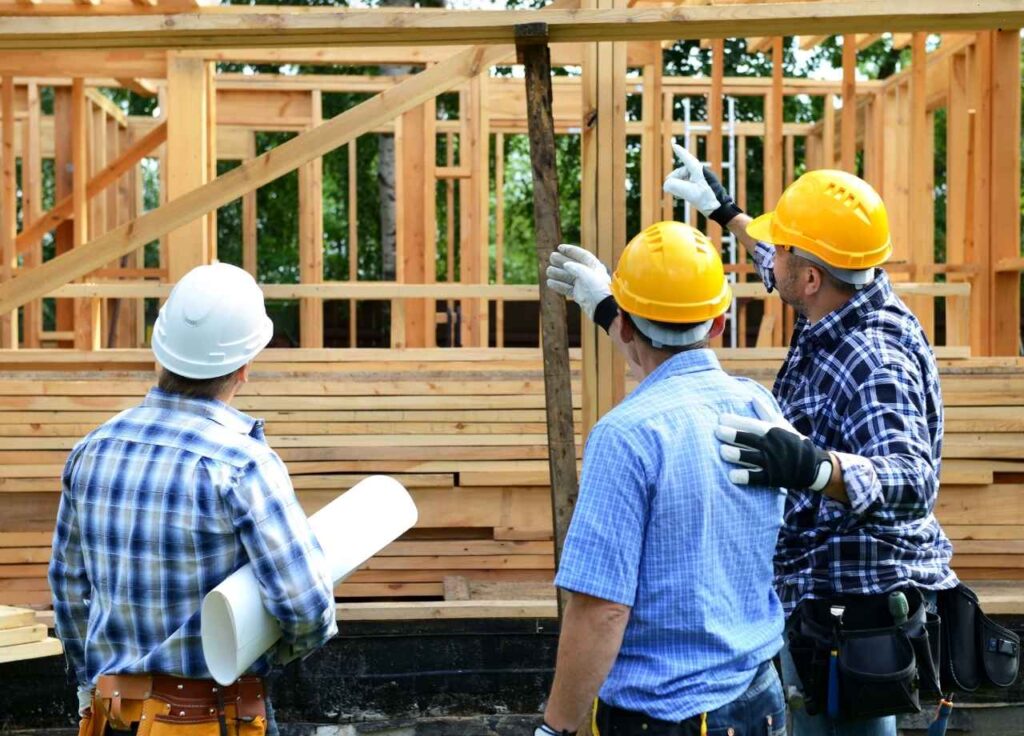
Compliance should never be viewed simply as a regulatory requirement. Properly designed, code-compliant buildings create safer environments for employees, customers, and visitors while protecting long-term property value.
Tenant Improvements That Deliver the Highest ROI
Although every business has unique priorities, several improvement categories consistently produce strong returns across retail and office environments.
Interior layout optimization often delivers immediate operational benefits by improving workflow and maximizing usable square footage. Updated lighting enhances both energy efficiency and customer experience while reducing maintenance requirements.
Modern flooring, fresh finishes, and professionally designed reception areas strengthen first impressions without requiring complete structural renovations. Improved HVAC systems increase occupant comfort while lowering operating costs.
Restroom renovations frequently provide surprisingly high returns because they influence customer perceptions while addressing accessibility requirements. Exterior improvements, including storefront enhancements and updated entrances, improve curb appeal and help businesses stand out in competitive commercial districts.
Technology infrastructure upgrades, security enhancements, and flexible meeting spaces further position businesses for long-term growth while supporting evolving operational needs.
Rather than implementing isolated upgrades, businesses typically achieve the greatest return through coordinated improvement plans that align construction decisions with operational objectives.
Planning Tenant Improvements for Long-Term Success
Successful tenant improvement projects begin well before construction starts.
Careful planning allows business owners to establish priorities, identify budget constraints, coordinate permitting requirements, minimize operational disruptions, and sequence work efficiently.
Construction scheduling becomes particularly important for occupied commercial spaces. Phased renovations, after-hours construction, or carefully coordinated work areas can often allow businesses to continue operating throughout much of the renovation process.
Open communication among property owners, tenants, designers, contractors, and local permitting authorities helps identify potential challenges early, reducing costly delays later in the project.
The goal is not simply completing construction—it is creating a commercial environment that supports business success for years to come.
Investing in Spaces That Strengthen Business Performance
Commercial real estate is far more than a physical asset. It is an active contributor to customer experience, employee satisfaction, operational efficiency, and overall business performance.
For businesses throughout Kingsland and St. Simons, well-executed tenant improvements represent an opportunity to increase profitability while positioning commercial properties for long-term success. Every renovation decision—from space planning and finish selection to energy efficiency and technology integration—has the potential to influence daily operations and future value.
At Kelly Construction, we believe the most successful tenant improvement projects are built on thoughtful planning, quality craftsmanship, and a clear understanding of how commercial spaces function in the real world. When improvements are approached strategically rather than cosmetically, they become lasting investments that support business growth, strengthen property value, and help commercial spaces continue serving owners and tenants well into the future.