



How Salt Air and Coastal Weather Affect Building Materials
Living and building along the Southeast Georgia coast means accounting for conditions that can be tough on construction materials. Salt air, high humidity, intense sunlight, heavy rain, and strong winds can accelerate corrosion, moisture damage, and general wear, often shortening the lifespan of materials that perform well farther inland.
At Kelly Construction, we consider these coastal conditions when planning custom homes, renovations, and commercial projects. Material selection goes beyond appearance and upfront cost—the right fasteners, coatings, installation methods, and moisture protection can make a significant difference in long-term performance.
Understanding how coastal weather affects building materials helps property owners make informed decisions, reduce preventable repairs, and build for greater durability in Southeast Georgia.
Why Coastal Environments Are Hard on Buildings
Coastal buildings are subjected to several environmental stresses at the same time. Salt is one of the most recognizable concerns, but it rarely acts alone. High humidity can keep surfaces damp for extended periods, while wind pushes salt particles and moisture into joints, gaps, fastener locations, and other vulnerable areas.
Southeast Georgia’s heat and strong sun add another layer of exposure. Materials repeatedly expand and contract as temperatures change, while ultraviolet radiation gradually breaks down certain finishes, sealants, plastics, and coatings. Heavy rainfall and tropical weather can further test roofing, siding, flashing, drainage systems, doors, and windows.
The result is an environment where small material or installation deficiencies can become significant problems faster than they might inland. Coastal construction therefore requires a whole-building approach rather than simply choosing a few products labeled for exterior use.
How Salt Air Causes Corrosion
Salt air is particularly damaging to metals because salt can accelerate the electrochemical processes that cause corrosion. Tiny salt particles carried inland by wind settle on exposed surfaces. When those particles combine with moisture from rain, condensation, or humid air, they create conditions that can promote corrosion.
Unprotected steel is especially vulnerable. Over time, rust can weaken fasteners, brackets, connectors, railings, equipment, and other metal components. Even when corrosion is initially cosmetic, continued deterioration can eventually affect the performance or structural reliability of certain components.
This is why fastener and connector selection deserves careful attention in coastal construction. A high-quality siding, decking, or roofing product can still experience problems if it is installed using fasteners that are poorly suited to the environment. Stainless steel and appropriately coated corrosion-resistant products are often considered for exposed coastal applications, although the correct choice depends on the material being fastened, the degree of exposure, manufacturer requirements, applicable codes, and project specifications.
Metal compatibility matters as well. Certain dissimilar metals can experience galvanic corrosion when they are in electrical contact in the presence of an electrolyte such as saltwater. Experienced builders consider the complete assembly rather than selecting individual components in isolation.
Humidity and Moisture Can Damage More Than Metal
Coastal humidity affects almost every part of a building. When materials remain damp or repeatedly absorb and release moisture, they can swell, shrink, warp, deteriorate, or provide conditions favorable to biological growth. The exact risk depends on the material and how the building assembly manages water and drying.
Wood requires particular attention. When properly selected, detailed, installed, and maintained, wood can perform well in coastal construction. However, persistent moisture exposure can contribute to decay, dimensional movement, peeling finishes, and other deterioration. Exterior wood components should be designed so that water does not become trapped and so that wet materials have an opportunity to dry.
Moisture management also extends behind the exterior finish. Housewraps, weather-resistive barriers, flashing, sealants, drainage planes, roof details, and properly integrated windows and doors work together to control water intrusion. A durable exterior material cannot compensate for poorly executed flashing or a wall assembly that allows water to collect where it cannot escape.
For that reason, workmanship is just as important as product selection. Coastal durability depends on creating an assembly in which each component supports the performance of the others.
Coastal Conditions Affect Concrete and Masonry Too
Concrete has a reputation for durability, and rightly so, but coastal exposure still requires careful design and construction. Salt does not simply affect visible metal components. Chlorides can penetrate concrete over time and contribute to corrosion of embedded reinforcing steel when conditions allow.
As reinforcing steel corrodes, the corrosion products expand. This can create internal pressure that eventually contributes to cracking, delamination, or spalling of the surrounding concrete. The process can become a serious durability concern when reinforced concrete is repeatedly exposed to salt and moisture.
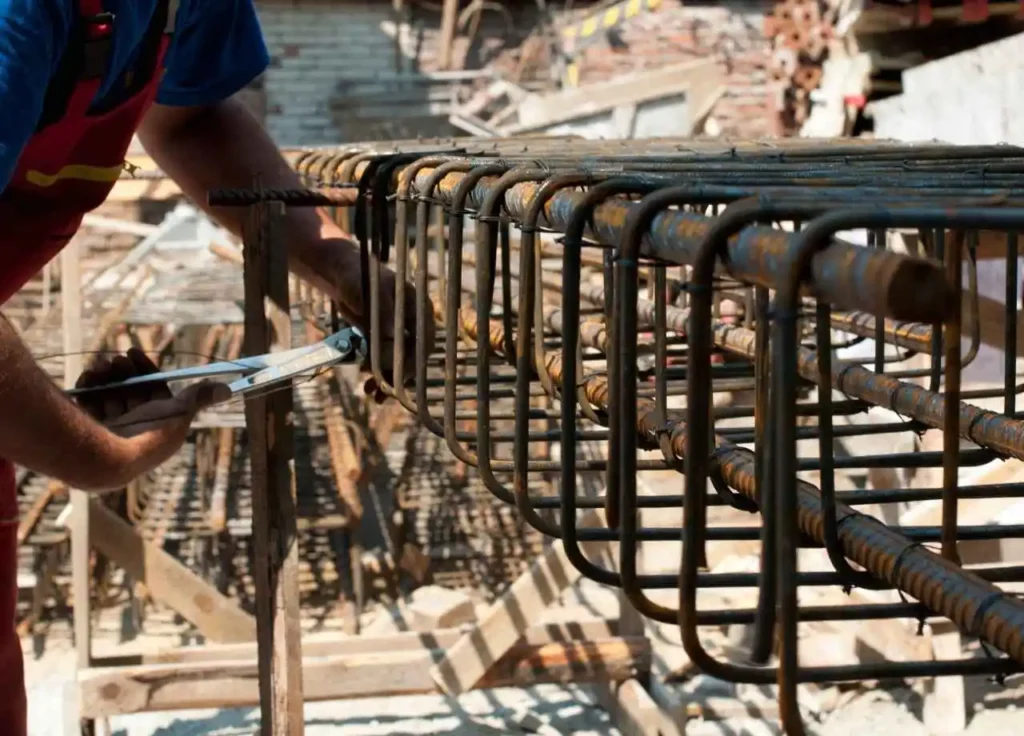
Good concrete practices are therefore critical in coastal areas. Proper mix design, placement, curing, reinforcement cover, crack control, and drainage can all influence long-term performance. Protective systems may also be appropriate for particularly exposed applications.
Masonry assemblies have their own moisture considerations. Water needs to be directed away from walls and openings, and flashing, weeps, sealants, mortar joints, and transitions should be properly detailed. Coastal construction rewards attention to details that may initially seem minor.
Roofing Takes the Brunt of Coastal Weather
The roof is one of a building’s primary defenses against weather, making it especially important in coastal areas. It must handle heat, ultraviolet exposure, wind-driven rain, high winds, and repeated wetting and drying throughout its service life.
Material selection is only part of the equation. Roof performance also depends heavily on the deck, underlayment, flashing, fastening patterns, edge details, penetrations, and transitions. Improperly installed flashing around chimneys, vents, walls, or roof intersections can create vulnerabilities regardless of the quality of the roof covering itself.
Metal roofing can be an effective option for many coastal properties, but the specific metal, coating, fasteners, accessories, and installation system must be appropriate for the project’s exposure. Coastal environments can be aggressive, so compatibility between roofing panels, clips, screws, flashing, and other components should be considered from the beginning.
Wind resistance also deserves special attention. Roof edges, corners, overhangs, and attachment points can experience substantial uplift forces during severe weather. Following applicable building codes, engineered requirements, and manufacturer installation specifications is essential to achieving the intended performance.
Siding and Exterior Finishes Need to Handle Multiple Threats
Exterior walls face a combination of salt, moisture, sunlight, wind, and physical weathering. Siding materials should therefore be evaluated not only for appearance but also for water resistance, dimensional stability, maintenance requirements, attachment methods, and compatibility with the wall assembly.
Fiber cement, properly detailed masonry systems, engineered exterior products, and other durable materials may be appropriate depending on the building and its location. Wood siding can also be used successfully, but it typically requires careful detailing and ongoing maintenance to protect it from moisture and ultraviolet exposure.
Paints and coatings play an important role as well. Coastal sun and salt exposure can cause finishes to fade, chalk, peel, or otherwise deteriorate over time. Using high-quality exterior coatings intended for the substrate and exposure conditions can help extend maintenance intervals.
Installation remains critical regardless of the siding material selected. Proper clearances, flashing, joint treatment, fasteners, drainage, and transitions around windows and doors can have a greater impact on long-term performance than choosing a premium material and installing it incorrectly.
Windows and Doors Are Critical Points in the Building Envelope
Windows and exterior doors are natural interruptions in the building envelope, which makes them important areas for water and air management. During wind-driven rain, water can be forced against openings from directions and at pressures that do not occur during ordinary rainfall.
Proper installation should create multiple layers of protection. Flashing and weather-resistant materials need to be integrated so that water is directed toward the exterior rather than trapped inside the wall. Sealants must also be selected and applied appropriately, with consideration given to movement and long-term weather exposure.
Hardware is another concern. Hinges, screws, locks, tracks, and other metal components may deteriorate faster when continuously exposed to salt air. Choosing products intended for coastal or severe-weather applications can reduce premature corrosion and maintenance problems.
In areas subject to specific wind-borne debris or hurricane-related requirements, windows, doors, shutters, and other protective systems may also need to satisfy applicable code requirements. Those requirements should be addressed during planning rather than treated as an afterthought during installation.
Decks, Porches, Railings, and Other Outdoor Features Face Constant Exposure
Outdoor living spaces are popular throughout coastal Georgia, but they are among the most exposed parts of a property. Decking, porch framing, stairs, handrails, guardrails, connectors, and fasteners can receive direct sunlight, rainfall, humidity, and salt deposits with relatively little protection.
Pressure-treated lumber is commonly used in exterior construction, but using treated wood does not eliminate the need for proper detailing. The treatment type, retention level, application, fastener compatibility, ventilation, drainage, and end-cut treatment can all influence performance.
Composite and other manufactured decking materials may reduce some maintenance requirements, but they still need correct installation. Thermal movement, fastening systems, joist spacing, ventilation, and manufacturer-required clearances should be taken into account.
Railings and exterior metalwork require similar attention. Powder coatings and protective finishes can improve durability, but scratches or coating failures may expose the underlying metal. Regular inspections can identify deterioration before it develops into a more extensive repair.
UV Exposure and Heat Create Their Own Material Problems
Salt and moisture receive much of the attention in coastal construction, but the Georgia sun can be equally demanding. Ultraviolet radiation gradually affects many organic materials, including certain paints, sealants, plastics, roofing products, and finishes.
Repeated heating and cooling also causes building materials to expand and contract. Different materials move at different rates, which is why joints, transitions, flashing, sealants, and fastening methods need to accommodate expected movement. Without proper detailing, repeated thermal cycling can contribute to cracking, separation, buckling, or failed seals.
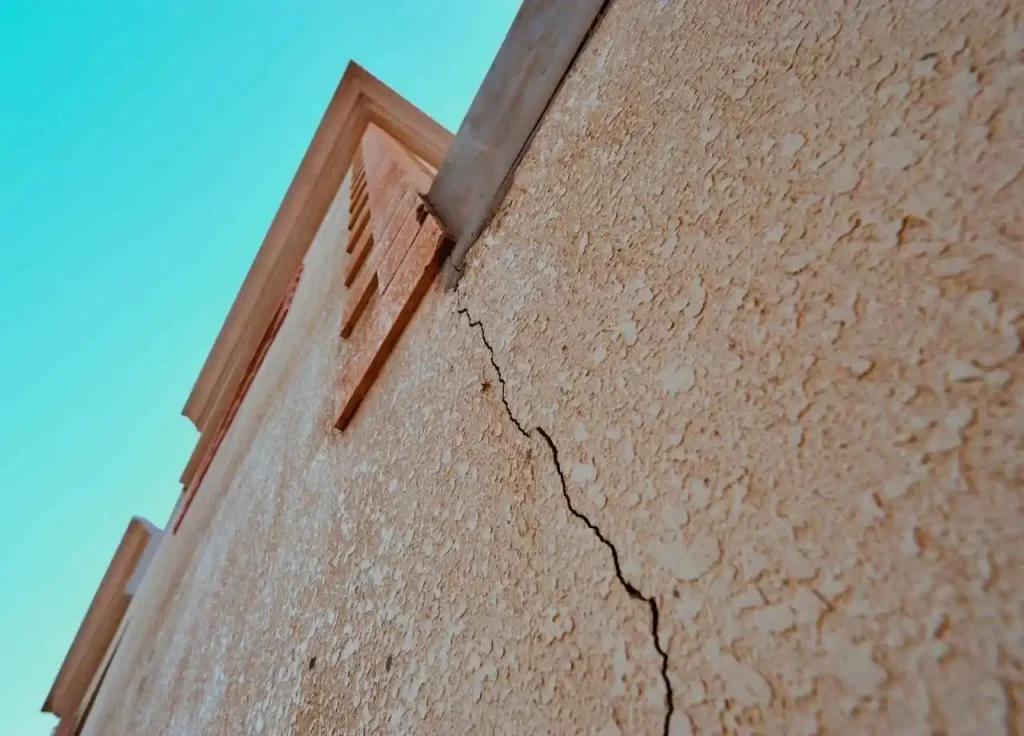
Color choices can influence surface temperatures as well. Dark exterior materials often absorb more solar energy than lighter ones, which can increase thermal movement and heat exposure. That does not necessarily mean dark materials should be avoided, but their performance characteristics and manufacturer limitations should be considered during design.
Good coastal construction anticipates these movements rather than assuming exterior assemblies will remain completely static.
Severe Weather Changes the Way a Building Should Be Planned
Coastal construction is not only about everyday salt exposure. Southeast Georgia properties may also face tropical storms, hurricanes, high winds, and intense rainfall. These events place unusually high loads on roofs, exterior walls, openings, connections, and drainage systems.
A building’s ability to resist severe weather depends on continuity. Loads need a reliable path through the structure, from the roof through the walls and framing to the foundation. Connectors, straps, anchors, sheathing, fasteners, and structural details all contribute to that load path.
Water management becomes equally important during extreme conditions. Wind-driven rain can exploit gaps that may not leak during an ordinary storm. Proper flashing, roof detailing, exterior barriers, window and door installation, and drainage help reduce that risk.
Local codes establish important minimum requirements, but a successful project also considers the property’s actual exposure, building orientation, design, materials, and intended lifespan. Coastal experience matters because conditions can vary significantly even within the same general region.
Material Selection Should Consider Lifecycle Cost, Not Just Purchase Price
One of the most common mistakes in construction is evaluating materials primarily by their upfront price. In a coastal environment, the least expensive initial option may require more frequent painting, repairs, replacement, or hardware maintenance.
Lifecycle cost provides a better way to evaluate many building decisions. A more corrosion-resistant fastener, higher-performing coating, or better-suited exterior material may cost more during construction but reduce maintenance and replacement expenses over the years.
That does not mean every project needs the most expensive product available. It means materials should be selected according to the actual application. Spending heavily on a premium finish while overlooking basic flashing or using incompatible fasteners is not an effective durability strategy.
At Kelly Construction, we believe the better approach is to look at the entire assembly and understand where additional durability provides meaningful value. Construction decisions should support the owner’s priorities while remaining appropriate for the site, budget, and intended use of the building.
Maintenance Is Part of Coastal Building Performance
Even a well-built coastal property requires maintenance. Salt deposits accumulate, sealants age, coatings wear, hardware corrodes, and storms can damage components that were previously in good condition. Regular inspections allow property owners to address these issues while they are still manageable.
Exterior metal components should be checked for early corrosion. Paint and protective coatings should be monitored for cracking, peeling, chalking, or exposed substrate. Roofs, flashing, gutters, siding, windows, doors, decks, and railings should also be inspected periodically and after significant storms.
Keeping exterior surfaces clean can help reduce accumulated salt and debris, provided cleaning methods are appropriate for the material. Drainage systems should remain clear so that water moves away from the structure rather than collecting against roofs, walls, decks, or foundations.
Maintenance schedules should be based on actual exposure. A property directly exposed to ocean winds may need more frequent attention than a similar building several miles inland and protected by surrounding development or vegetation.
Building for the Southeast Georgia Coast Requires the Right Details
Successful coastal construction depends on more than choosing a single durable material. It requires the right combination of materials, thoughtful design, proper installation, code compliance, and ongoing maintenance.
Salt air, humidity, UV exposure, wind, and heavy rainfall can accelerate wear on Southeast Georgia buildings. Planning for these conditions from the start can help prevent premature deterioration, protect the building envelope, and extend the life of key components.
Homeowners and commercial property owners should consider how materials handle moisture, corrosion, maintenance, and long-term exposure. At Kelly Construction, we focus on these details to build structures that are designed to perform reliably in Southeast Georgia’s demanding coastal environment.

One Comment