

Design and Build vs. EPC – Things to Remember
When planning a construction project—whether it’s a new commercial space, a custom home, or an industrial facility—owners often encounter two popular delivery models: Design and Build (D&B) and Engineering, Procurement, and Construction (EPC). Both approaches are structured to give clients a streamlined process by consolidating responsibilities under a single contract, but they aren’t identical. Each model carries distinct advantages, challenges, and best-fit scenarios.
At Kelly Construction, we regularly guide clients through these considerations. For example, in our design-build construction services, we manage both the architectural and construction phases to ensure cost predictability and seamless communication. Understanding the nuances between Design and Build and EPC is essential for selecting the right approach that aligns with your project’s goals, budget, and timeline.
Understanding the Design and Build Model
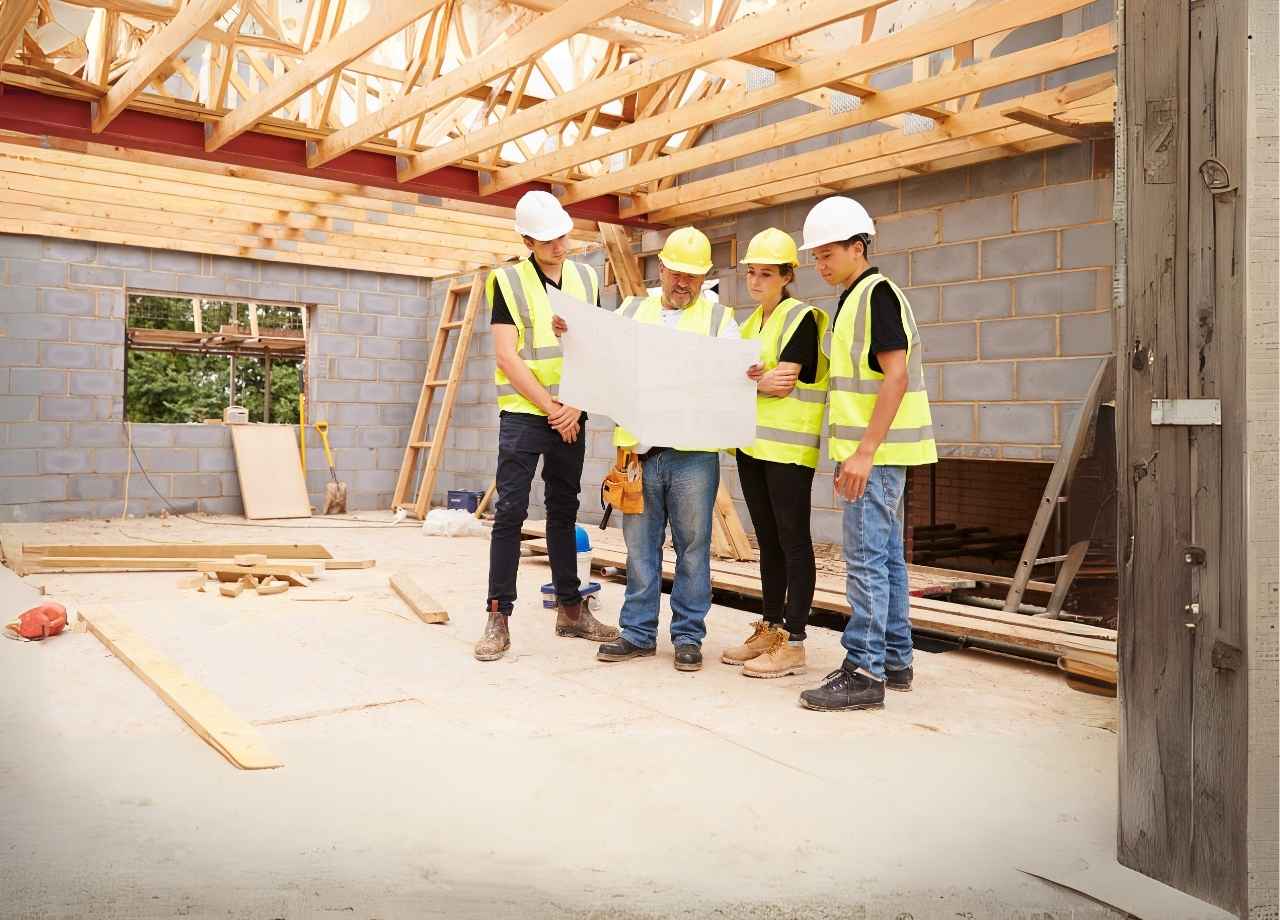
The Design and Build model brings both design and construction under one roof. Instead of hiring an architect separately and then engaging a general contractor, the project owner works with a single entity that manages both aspects.
This approach reduces friction between design intent and construction execution. Miscommunication is less likely, since the same team is responsible for producing plans and delivering the final structure. Design-build also shortens project timelines, because construction activities can begin before every detail of the design is finalized—a process known as “fast-tracking.”

Clients also benefit from cost transparency. With the design and construction teams collaborating from day one, budgets are often established earlier and are easier to track throughout the project. This integrated delivery model is particularly well-suited to projects that demand flexibility, speed, and strong communication between all parties.
Understanding the EPC Model
EPC—short for Engineering, Procurement, and Construction—is widely used in large-scale infrastructure, industrial, and energy-related projects. Like Design and Build, EPC consolidates responsibility under one contract. The difference lies in the level of accountability: EPC contractors typically guarantee delivery at a fixed price and by a fixed date, shouldering a greater share of risk than in a Design and Build arrangement.
In the EPC model, the contractor not only designs and builds but also handles procurement of materials, equipment, and even subcontracted services. This “turnkey” approach means the client can expect a facility that is ready for operation immediately upon completion.
Because of its comprehensive scope, EPC is especially appealing for highly technical projects where operational readiness and strict deadlines are critical. However, the added risk for contractors often translates into higher pricing, as they must account for uncertainties in both procurement and execution.
Key Differences Between Design and Build and EPC
While both models share the goal of simplifying the construction process for owners, the distinctions are important.
The most significant difference is risk allocation. In a Design and Build project, risks are typically shared more evenly between the owner and the contractor. The contractor manages design and construction, but unforeseen issues or changes in scope can still affect costs and schedules. In an EPC project, most of the risk shifts to the contractor. The fixed-price, fixed-schedule commitment makes EPC attractive to owners who need certainty above all else.
Another distinction is scope of responsibility. Design and Build focuses primarily on design coordination and construction delivery, while EPC extends further into procurement and operational readiness. This makes EPC more comprehensive, but also more rigid, with less flexibility once the contract is signed.
Finally, the types of projects suited for each are different. Design and Build excels in commercial, residential, and institutional projects where collaboration and adaptability are priorities. EPC, on the other hand, is better aligned with large-scale, capital-intensive projects where precision, compliance, and on-time delivery are non-negotiable.
Things to Remember When Choosing Between Them
Choosing the right model requires careful consideration of your project’s unique requirements. Owners should start by defining what matters most: is it flexibility, collaboration, and cost control, or is it certainty, risk transfer, and a guaranteed delivery date?
It’s also important to recognize how each model affects project dynamics. With Design and Build, owners often stay more involved throughout the process, working closely with the contractor to refine details as the project moves forward. In EPC, owners typically take a more hands-off role, relying on the contractor to manage every element with little intervention once the contract is set.
Budget expectations also play a role. If you want more room to adjust scope and design along the way, Design and Build will serve you better. But if you need a single price and firm commitment upfront, EPC may be the safer choice—even though it often comes at a premium.
Practical Considerations for Project Owners
One consideration that often gets overlooked is project scale. For smaller or mid-sized projects in Southeast Georgia, an EPC approach may be unnecessarily rigid and expensive. Design and Build offers the right balance of efficiency and owner input for these types of developments. At Kelly Construction, we’ve seen first-hand how early contractor involvement through Design and Build helps streamline approvals, control costs, and deliver strong results.
Another factor is regulatory compliance. EPC contracts often include detailed compliance guarantees that protect owners in heavily regulated industries. If you’re developing an industrial facility where environmental standards or safety protocols are critical, EPC may offer peace of mind that all procurement and construction will meet stringent requirements.
Finally, time sensitivity is crucial. If your project demands the absolute certainty of a fixed delivery date—say, for an energy facility that must be operational by a specific deadline—EPC’s structured commitments make sense. On the other hand, if you need a collaborative process that allows for refinements along the way, Design and Build gives you that flexibility without locking you into rigid parameters.
Why Owners Must Weigh Their Options Carefully
Both Design and Build and EPC are powerful tools for managing construction, but their differences carry long-term implications. Owners who choose Design and Build gain an adaptable, collaborative process that can reduce costs and improve communication. Owners who choose EPC gain certainty and risk protection, but at the cost of flexibility and potentially higher initial pricing.
The best decision depends on aligning the delivery method with the project’s priorities. For some, flexibility and cost control outweigh the need for rigid guarantees. For others, especially in high-stakes industrial projects, the assurance of EPC is worth the additional cost.
Final Thoughts
When it comes to Design and Build versus EPC, there is no one-size-fits-all answer. Each delivery method serves a distinct purpose, and the right choice depends on project type, scale, risk tolerance, and owner involvement.
At Kelly Construction, we have extensive experience guiding project owners through these decisions. Our work in Southeast Georgia emphasizes the value of clear communication, realistic budgeting, and disciplined project management—whether through design-build delivery or partnerships with specialty teams for larger EPC-driven projects.
By carefully weighing the advantages and limitations of each model, project owners can make informed decisions that set their construction projects up for long-term success.