


Benefits of 3D Rendering for Your Home Renovation Project
When planning a home renovation, the vision you have in your mind doesn’t always translate clearly to blueprints, sketches, or even early construction phases. That disconnect can lead to costly changes, misunderstandings with contractors, or results that don’t quite match your expectations. This is where 3D rendering steps in—an increasingly vital tool in modern residential construction and remodeling.
At Kelly Construction, we’ve seen firsthand how 3D rendering transforms the home renovation experience. As part of our design-build service, we often use rendering technology to help clients visualize the end result before a single wall is opened up or material is ordered. The benefits go well beyond aesthetics—they directly impact budget, communication, and project outcomes.
Clarity and Confidence in Design Decisions
One of the most immediate benefits of 3D rendering is the ability to see your renovation plans come to life in full detail. Instead of relying on imagination or interpreting 2D drawings, homeowners can explore lifelike images of their future space from multiple angles. Whether it’s a new kitchen layout, an expanded master suite, or a whole-home renovation, seeing these plans rendered helps clarify design decisions early in the process.
Colors, finishes, lighting, and furniture placement can all be visualized with precision. This clarity reduces the guesswork and hesitation that often slow down renovation projects. When you can see how natural light fills a space or how a certain tile will look with your cabinetry, you make confident, informed choices that stick.
Better Communication Between Homeowner and Contractor
Miscommunication is one of the leading causes of frustration and delays in construction projects. A homeowner might describe one idea, while the builder interprets it differently. With 3D rendering, everyone is looking at the same visual plan, dramatically improving alignment between homeowner, designer, and builder.
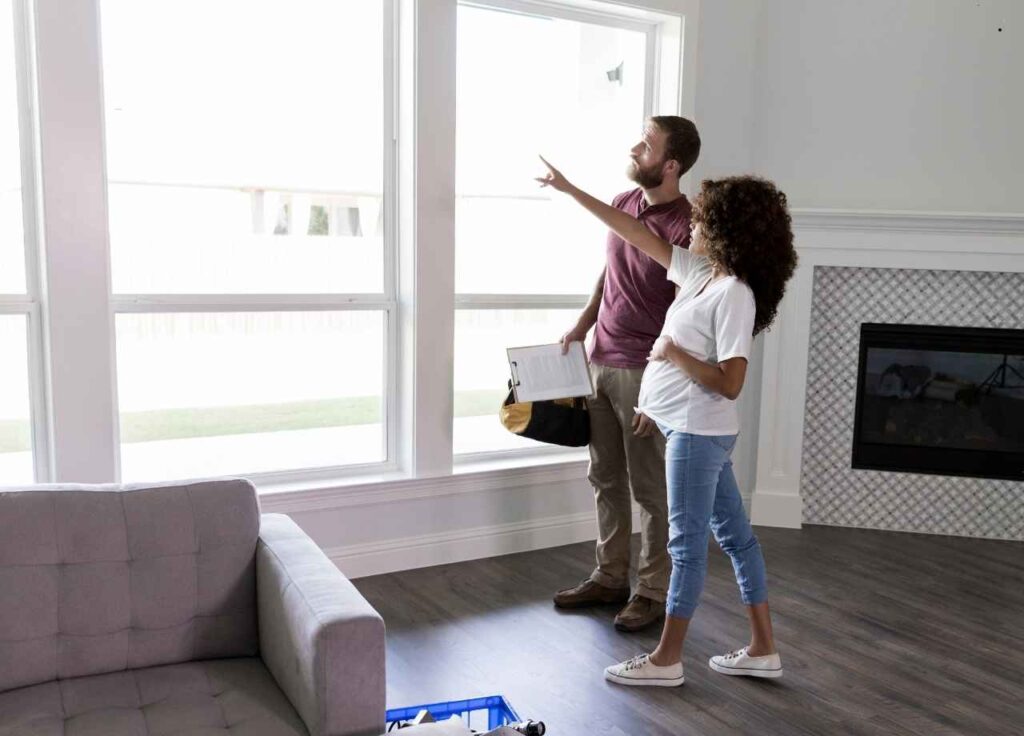
This visual alignment is especially helpful when multiple stakeholders are involved. Whether you’re collaborating with interior designers, structural engineers, or specialty contractors, 3D renderings become a shared language that keeps everyone on the same page. That consistency helps maintain the project’s integrity from concept through execution.
Early Problem-Solving Saves Time and Money
Spotting design flaws before construction begins is another key advantage of 3D rendering. It’s much easier to adjust a layout in a digital model than to revise framing or plumbing after it’s been installed. Renderings allow clients and contractors to evaluate spacing, flow, and function before any physical work is done.
For instance, a homeowner may realize that a proposed kitchen island feels too cramped once viewed in a 3D walk-through. Or a planned window placement might cast unexpected shadows. These are the types of insights that renderings can reveal early, allowing for proactive changes that keep the project on budget and on schedule.
A Stronger Connection to the Final Outcome
Renovating a home is a major investment, both financially and emotionally. 3D renderings help homeowners build a stronger connection to the process and the finished space. When you can “walk through” your redesigned home before it’s built, you feel more engaged and excited throughout each phase of construction.
That emotional connection often leads to a better experience overall. Rather than feeling uncertain or disconnected during the build, clients who start with a rendering are more likely to stay positive, involved, and satisfied with the results. It’s not just about seeing your dream—it’s about building it with clarity and confidence.
Streamlined Material and Finish Selection
Choosing finishes like flooring, cabinetry, countertops, and fixtures can feel overwhelming. With 3D rendering, clients can see how these selections interact within the space. Will the countertop clash with the backsplash? Does the flooring complement the wall color? Renderings help answer these questions in advance.
This clarity accelerates decision-making and reduces costly second-guessing. It also helps prevent design fatigue—a common challenge when making many high-stakes choices in a short timeframe. By virtually placing and viewing materials, homeowners can lock in selections they love and move forward without hesitation.
Improved Permit and Approval Processes
In some municipalities, getting building permits for major renovations requires more than just technical drawings. A 3D rendering can provide added clarity for permit reviewers, especially when exterior changes or structural modifications are involved. It also assists homeowners seeking HOA or historic district approval by clearly illustrating how a renovation will align with existing aesthetics.
By showing a realistic, detailed preview of the proposed changes, renderings can help smooth over potential objections and speed up the approval process. That can translate to fewer delays and an earlier construction start date.
Ideal for Custom and Complex Renovation Projects
For homes with unique layouts or extensive changes, 3D rendering becomes even more valuable. When working on custom renovations, it’s critical to understand how structural changes will influence overall flow and functionality. Standard 2D plans often fail to fully capture these complexities.

Renderings allow you to explore options before committing to a particular layout. Want to see how a vaulted ceiling will look? Curious how open-concept living might impact other rooms? These scenarios are easy to simulate digitally, giving you a more accurate understanding of what to expect.
At Kelly Construction, we use 3D modeling in many of our large-scale residential remodels across Southeast Georgia, especially when homeowners are expanding square footage or reconfiguring major parts of their layout. It’s one of the tools that enables us to deliver precision and excellence from day one.
Final Thoughts
3D rendering has evolved from a nice-to-have into a must-have in modern home renovations. It empowers homeowners to make better choices, avoid costly errors, and feel fully involved in the renovation journey. For construction professionals, it provides a more streamlined workflow and stronger client satisfaction.
If you’re planning a major renovation and want to approach it with confidence, ask your contractor about 3D rendering. It’s a small investment that pays major dividends in clarity, communication, and peace of mind. And if you’re working with a design-build contractor like Kelly Construction, you can count on tools like 3D rendering to be seamlessly integrated into your renovation planning from the start.
Your home deserves thoughtful design and reliable execution—and the right technology can help bridge that gap beautifully.