

Visualizing Your New Home: How 3D Rendering Works for Georgia Clients
The process of designing a custom home is full of decisions that impact how your space will ultimately look, feel, and function. For many Georgia homeowners, one of the biggest challenges is picturing the final result before construction ever begins. That’s where 3D rendering steps in—a modern solution that brings your vision to life with accuracy and clarity long before the first nail is driven.
At Kelly Construction, we use 3D rendering as a vital part of our design-build process, helping clients across Southeast Georgia make confident decisions about their new homes. Whether you’re building in Brunswick, St. Marys, Kingsland, or the surrounding areas, this technology empowers you to visualize the possibilities and make adjustments early—saving time, avoiding surprises, and ensuring the final build matches your expectations.
Understanding 3D Rendering in Home Construction
3D rendering is a digital modeling process that transforms architectural plans into lifelike visual representations. These models allow clients to see a detailed image or walkthrough of their future home from multiple angles, with realistic lighting, textures, and spatial context. Instead of interpreting flat floor plans or basic sketches, homeowners can explore their space in three dimensions—seeing how elements like cabinetry, flooring, rooflines, and room layouts will actually appear in real life.
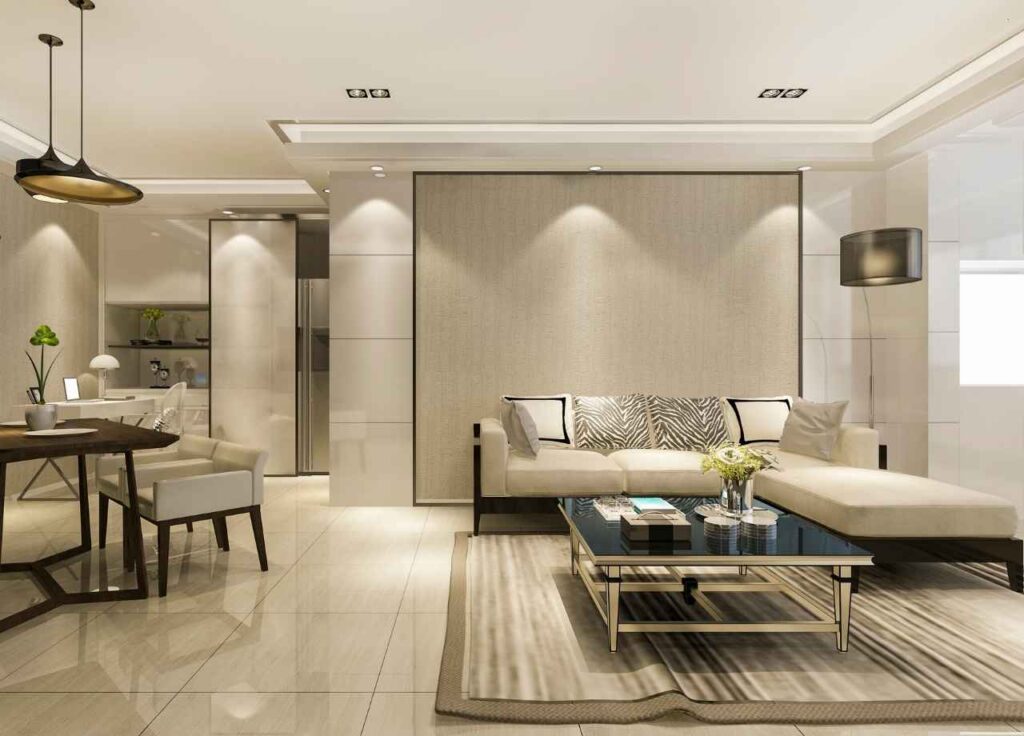
This level of visualization is especially valuable in custom home construction, where every detail matters and changes after framing can be costly. For Georgia clients building in coastal or rural environments, it also helps evaluate how the structure integrates with the land, sunlight, and views unique to their property.
From Concept to Clarity: The 3D Rendering Workflow
The process starts with a consultation and initial design brief. Once the goals and must-haves for the home are outlined, architectural drawings are created. These drawings then serve as the foundation for the rendering.
Professional software takes the 2D layout and converts it into a 3D model. Our team inputs key details such as materials, finishes, color palettes, furniture placement, and landscaping features. Lighting simulations help determine how natural and artificial light will interact with different areas of the home throughout the day.
After the model is built, clients can view the rendering as static images or full walkthrough animations. This is where the true value shines: being able to “walk through” the great room, assess kitchen flow, or see how vaulted ceilings feel in a master suite gives homeowners an unmatched sense of certainty.
Revisions are part of this process, too. Whether it’s tweaking a window placement, adjusting cabinet height, or changing the siding color, all these refinements can be tested in the digital model before any materials are ordered.
How Georgia Clients Benefit from 3D Renderings
Georgia’s diverse geography means custom homes come with site-specific considerations. From hurricane resilience on the coast to maximizing cross-breezes in rural retreats, 3D rendering helps evaluate how a home will perform in context. This can include things like:
- Viewing how the home will sit on a sloped or wooded lot
- Understanding sun exposure and shadow patterns
- Planning outdoor living spaces in relation to prevailing winds or privacy needs
For many clients, especially those building vacation homes or relocating from out-of-state, 3D rendering offers peace of mind when they can’t be on site every week. It allows for remote collaboration and approval, reducing delays and improving communication between all stakeholders.
Bridging the Gap Between Vision and Reality
One of the biggest causes of disappointment in a construction project is misaligned expectations. What a client imagines may not always match what the builder intends—and traditional blueprints don’t always bridge that gap.
With 3D rendering, those communication gaps are nearly eliminated. Clients, designers, and contractors can all reference the same visual source, ensuring decisions are based on shared understanding. This clarity helps prevent costly changes during construction and enhances trust throughout the project.
We’ve seen firsthand how much smoother a build goes when everyone is aligned early. Choices made during rendering—such as adjusting ceiling heights or testing trim options—translate directly to on-site efficiency. There’s less back-and-forth, fewer design regrets, and a final product that feels exactly like the dream home our clients envisioned.
What to Expect in a 3D Design Consultation
When you sit down with our design team, the 3D rendering discussion begins with your lifestyle goals. Are you looking for a multigenerational layout? Prioritizing energy efficiency? Want to integrate smart home features or coastal aesthetics?
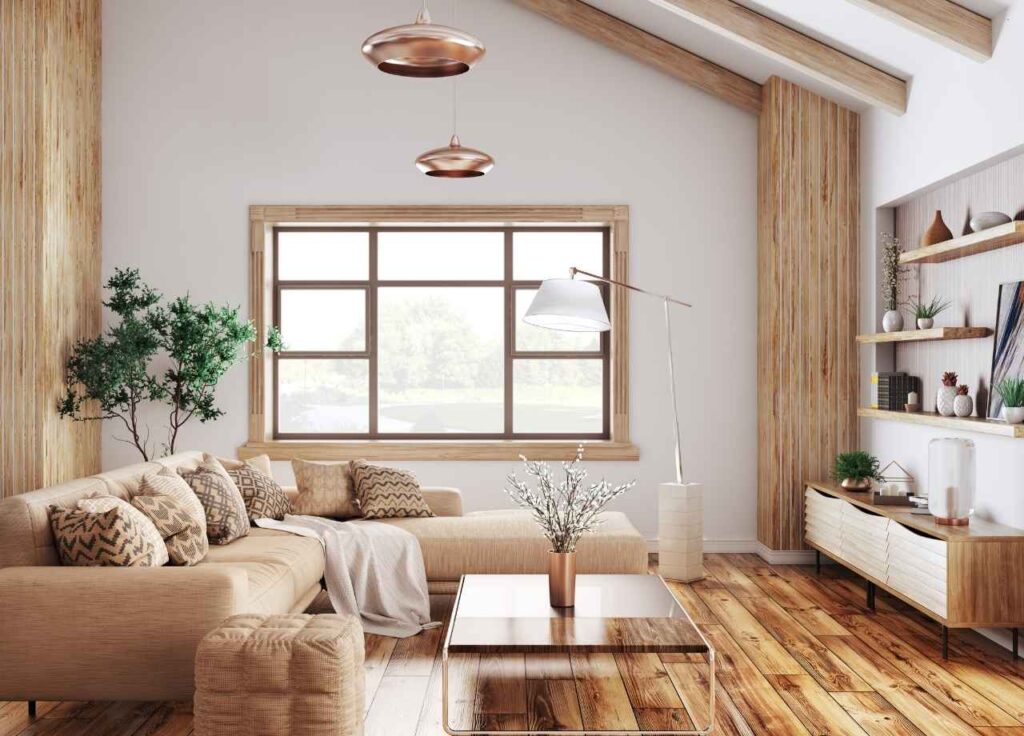
These goals are translated into functional layouts, which we then bring to life through rendering. Clients can expect a collaborative process where they provide input at each stage—selecting finishes, adjusting room proportions, and even adding personal touches like favorite furniture dimensions or artwork placement.
Over the years, we’ve used renderings to help families visualize cozy fireplaces, open-concept kitchens, spa-like bathrooms, and more. Each rendering is a tailored experience, designed to fit the client’s budget, timeline, and taste.
The Technology Behind the Scenes
While clients only see the polished visuals, there’s a complex engine powering these renderings. Software like SketchUp, Lumion, and Revit allows for detailed modeling with real-world physics, material properties, and lighting behavior. Our team continuously updates skills and tools to provide industry-leading visuals that accurately represent the final build.
We also integrate drone data and site photography into the models for added realism, especially when working on coastal properties with unique views or access constraints. This blend of tech and local insight helps us deliver more than just pretty pictures—we deliver reliable previews of the home you’ll live in.
Conclusion: A Smarter Start to Your Custom Home Journey
In the ever-evolving world of custom construction, 3D rendering is no longer a luxury—it’s a smart, strategic tool for ensuring success. For Southeast Georgia homeowners, it offers clarity, control, and confidence. At Kelly Construction, it’s a key part of how we keep our projects on track and our clients satisfied from day one.
If you’re planning a new home and want to make sure every detail is just right, consider how a professionally guided rendering process can help you visualize the journey ahead. The right tools, in the right hands, make all the difference.